Plumbing problems rarely arrive at a convenient time. A slow drip can waste water for weeks, while a loose connection or blocked drain can eventually damage cabinets, flooring, and walls. Fortunately, a few regular checks can help Southern California homeowners catch warning signs early.
Below, we’ll explain how to maintain home plumbing systems without taking on repairs that require professional tools or training.
What Is Preventive Plumbing Maintenance?
Preventive plumbing maintenance includes routine inspections, cleaning, and minor upkeep designed to keep pipes, fixtures, drains, and water-using appliances in good condition. Instead of waiting for a major leak or backup, you look for changes that may point to wear or damage.
Homeowner checks form one part of a complete maintenance plan. A licensed plumber can identify hidden leaks, assess water pressure, service water heaters, and recommend repairs. Schedule professional service for recurring clogs, water stains, unexplained increases in water use, or sudden pressure changes.
Why Home Plumbing Maintenance Matters
Southern California homes face several plumbing concerns. Hard water can leave mineral deposits on fixtures and components. Year-round use can leave irrigation connections and outdoor faucets more vulnerable to leaks and wear. Older homes may have aging supply lines, valves, or pipes that need closer attention.
Consistent plumbing system maintenance can reveal small problems before they damage your home. It may also reduce water waste and extend the life of plumbing components. The U.S. Environmental Protection Agency reports that household leaks can waste nearly 10,000 gallons of water each year on average. Leak detection has particular value in a region where water conservation remains a daily concern.
Your Preventive Plumbing Maintenance Checklist
Use this checklist every few months and arrange a professional inspection at least once a year. Homes with older plumbing or recurring problems may need more frequent attention.
1. Check for Leaks Around Toilets, Sinks, and Exposed Pipes
Look inside sink cabinets and around toilet bases for moisture, discoloration, warped material, or musty odors. Check exposed supply lines for corrosion and feel connections for dampness. A toilet that runs between uses may have a worn flapper or another faulty component.
Review your water meter before and after a two-hour period with no water use. A changed reading may indicate a leak. Call a plumber for persistent moisture, wall stains, or evidence of a concealed leak.
2. Keep Drains Clear Without Damaging Pipes
Use sink strainers and shower screens to catch food scraps, hair, and debris. Keep grease, coffee grounds, wipes, and hygiene products out of drains and toilets. Even products labeled flushable can contribute to a blockage.
Avoid routine use of harsh chemical drain cleaners. They can damage some pipes and create a safety hazard. Try a plunger for a simple clog. Recurring slow drains, sewage odors, or problems at several fixtures can indicate a deeper drain or sewer line issue.
3. Inspect Your Water Heater
Check the area around a tank-style water heater for puddles, rust, corrosion, or mineral deposits. Listen for new popping or rumbling sounds and note any change in hot water temperature. For a tankless unit, watch for error codes and changes in flow or heating performance.
Follow the manufacturer’s maintenance schedule because service needs vary by model and water conditions. Do not adjust gas lines, wiring, venting, or the temperature-and-pressure relief valve. Ask a licensed plumber to inspect leaks, damaged vents, recurring errors, or relief-valve discharge.
4. Test Your Water Pressure
Attach an inexpensive pressure gauge to an outdoor hose bib, make sure all fixtures and water-using appliances are off, and fully open the faucet. The EPA recommends professional attention when service pressure is much lower than 45 psi or much higher than 60 psi. A plumber can determine if a leak, obstruction, faulty pressure-reducing valve, or another problem caused the reading.
High pressure can strain pipes and appliance connections. Low pressure may signal a leak or supply problem. Leave pressure-regulator adjustments to an experienced professional.
5. Check Washing Machine Hoses and Laundry Connections
Pull the washing machine forward only if you can do so safely. Look for cracks, bulges, corrosion, damp fittings, and worn hose material. Make sure the drain hose remains secure and has no sharp bends.
Replace damaged supply hoses promptly with manufacturer-approved products. Leave enough space behind the machine so hoses do not become pinched. If a valve leaks or will not turn easily, have a plumber repair it instead of forcing it.
6. Run Water in Unused Fixtures
Guest bathrooms, utility sinks, and other rarely used fixtures still need attention. Run hot and cold water for a short time each month and flush unused toilets. This refills drain traps, which help block sewer gases from entering the home.
Check the fixture and nearby drain while the water runs. Slow drainage, odors, discolored water, or leaks require further investigation.
7. Inspect Shutoff Valves and Locate the Main Water Shutoff
Find the main water shutoff before an emergency occurs and make sure every adult in the household knows its location. Label it if necessary. Also locate the individual valves for toilets, sinks, the washing machine, and the water heater.
Inspect valves for corrosion or moisture. Do not force a stuck or badly corroded valve because it may break. Ask a plumber to test or replace questionable valves.
8. Check Outdoor Faucets, Hose Bibs, and Irrigation Connections
Southern California yards often rely on irrigation for much of the year. Examine hose bibs, exposed pipes, irrigation valves, and visible connections for drips or wet soil. A sudden soggy area, unexplained plant growth, or an irrigation-related increase in water use may point to an underground leak.
Disconnect hoses after use and replace cracked washers or damaged accessories. Schedule professional residential plumbing maintenance if a faucet leaks behind the wall, a valve will not close, or the source of water loss remains unclear.
Schedule Preventative Plumbing Maintenance With Lynch Plumbing
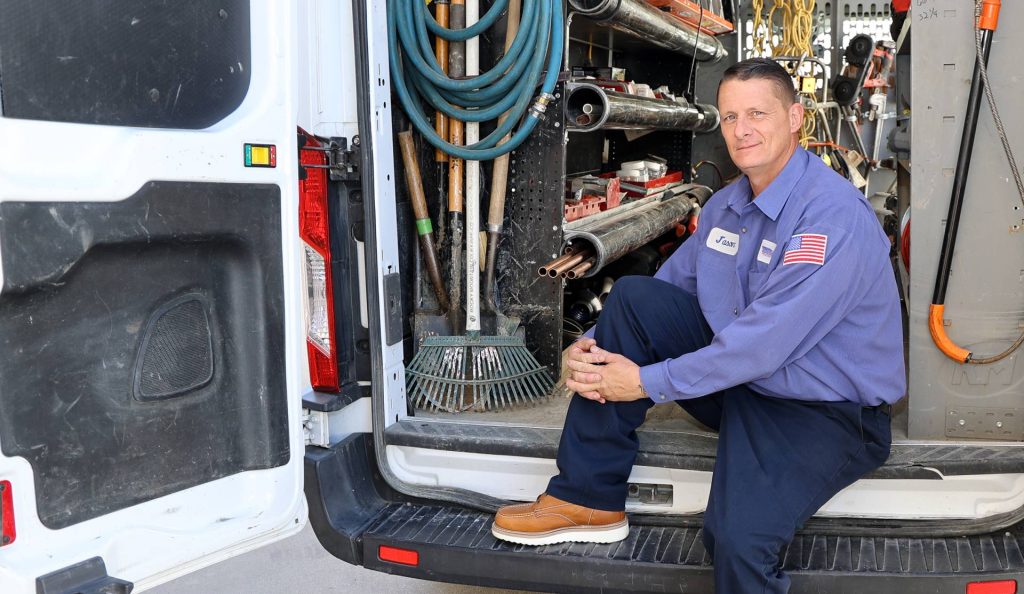
The best plumbing maintenance for homes combines simple homeowner checks with regular professional service. Lynch Plumbing provides plumbing maintenance throughout the San Fernando Valley, Los Angeles County, and Ventura County. Our family-owned company has served Southern California since 1985 and is licensed, insured, and bonded.
Lynch Plumbing uses professional diagnostic equipment to find leaks, evaluate drains, inspect fixtures, and assess water heaters. You receive clear explanations and upfront pricing before approved work begins. Contact Lynch Plumbing to schedule plumbing preventive maintenance for your home.
Schedule Appointment