
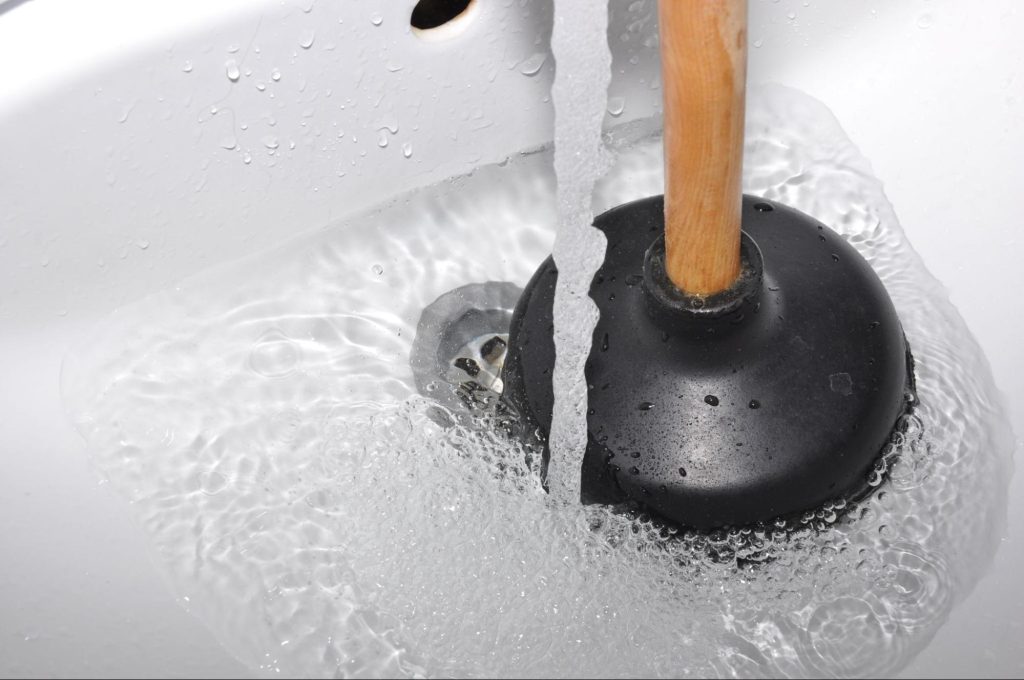
A drain that keeps clogging points to a deeper issue inside your plumbing system. Clearing the blockage may restore flow for a short time, but if the same drain backs up again, something is building up or interfering with proper drainage.
Kitchens, bathrooms, and main sewer lines all experience recurring clogs for different reasons. Identifying the source helps prevent repeated disruptions and limits long-term damage.
Common Causes of Recurring Drain Clogs
Most repeat plumbing clogs can be traced back to a handful of underlying problems inside the pipes.
1. Grease and Soap Buildup
Grease is one of the most common causes of repeat kitchen drain clogs. When hot grease or oil goes down the drain, it cools and hardens along the pipe walls. This sticky layer traps food particles and debris. The pipe gradually narrows until water flow slows or stops.
Soap residue creates a similar drain problem. Traditional bar soaps contain fats that combine with minerals in water. This forms a hard substance known as soap scum, which sticks to pipe interiors.
Grease and soap buildup often create stubborn blockages that keep returning even after basic cleaning.
2. Hair Accumulation in Bathroom Drains
Hair buildup is the leading cause of recurring plumbing clogs in showers, tubs, and bathroom sinks. Loose strands bind with soap residue and form dense clumps inside the drain. These clumps do not wash away easily and tend to catch additional debris.
Even if you remove a visible clog near the surface, more buildup may remain deeper in the pipe. This is why the drain keeps clogging, even within weeks of being cleared. Without thorough removal, hair accumulation continues to restrict water flow.
3. Foreign Objects in the Drain
Drains are designed to handle water, waste, and small particles, not solid objects. Items like paper towels, hygiene products, wipes, and food scraps can get lodged in pipes and create persistent blockages.
Unlike toilet paper, many so-called “flushable” wipes do not break down properly. These materials can snag on pipe walls or other debris, forming a blockage that continues to grow.
In kitchen sinks, fibrous foods like celery, coffee grounds, and eggshells contribute to repeated plumbing clogs when they collect in low-flow areas.
4. Pipe Scale and Mineral Buildup
Homes with hard water often deal with mineral deposits inside their pipes. Calcium and magnesium accumulate along pipe walls, creating a rough surface that traps debris. This buildup, called scale, reduces the internal diameter of the pipe.
As the pipe narrows, even small amounts of debris can trigger a clog. Mineral buildup develops gradually, which makes it easy to overlook until recurring drainage issues appear. Over time, as the pipe is clogged, scale can affect both water flow and overall pipe performance.
5. Tree Root Intrusion in Sewer Lines
Recurring clogs that affect multiple drains or involve slow drainage throughout the home may point to a problem in the main sewer line. Tree roots are a common cause.
Roots naturally seek out moisture and can enter small cracks or joints in underground pipes. Once inside, they expand and trap debris flowing through the line. This creates recurring blockages that worsen as the roots grow.
Tree root intrusion often leads to frequent backups, gurgling sounds, and slow drainage across several fixtures. Clearing the blockage without addressing the roots results in repeated drain problems.
6. Damaged or Misaligned Pipes
Pipes that are cracked, collapsed, or misaligned disrupt normal water flow. These structural issues create areas where debris can collect instead of moving freely through the system.
Older plumbing systems are more prone to these problems due to corrosion and wear. Ground movement, poor installation, or shifting soil can also cause pipes to sag or separate at joints. These conditions create recurring plumbing clogs because the underlying issue remains even after the blockage is cleared.
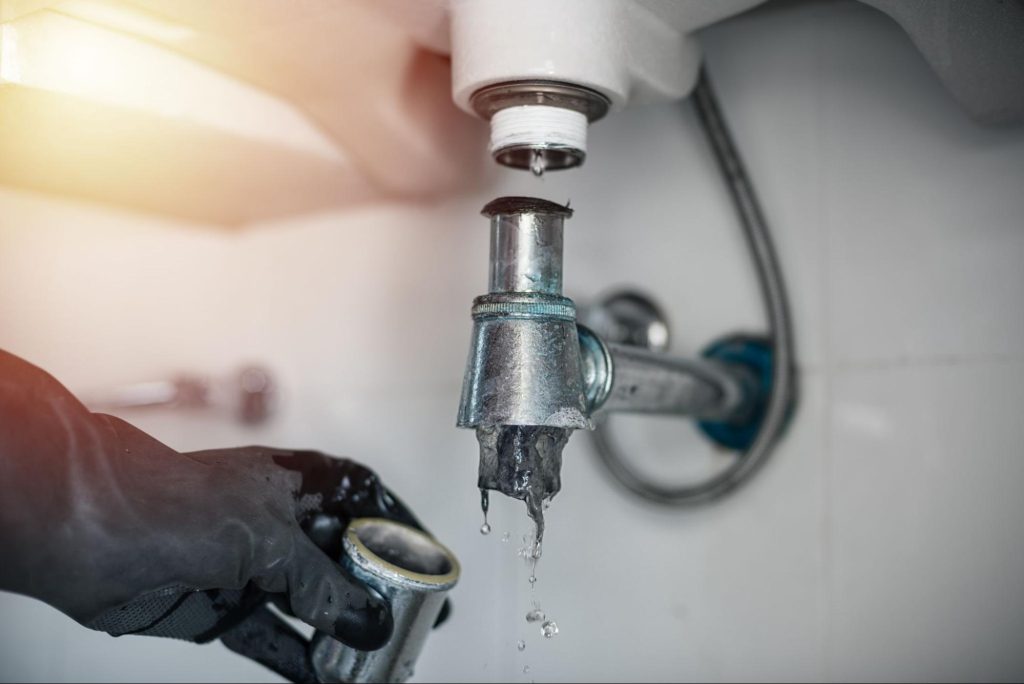
Warning Signs Your Recurring Drain Clog Is a Bigger Problem
Not all plumbing clogs are isolated issues. Some signal more serious problems within your plumbing system. Recognizing the warning signs helps you act before the situation worsens.
- Multiple drains clogging at the same time
- Water backing up in unexpected places, such as a sink filling when a toilet is flushed
- Persistent slow drainage despite repeated cleaning
- Gurgling sounds coming from drains or toilets
- Unpleasant odors coming from drains
These symptoms often indicate a blockage deeper in the system, such as in the main sewer line or within damaged piping. Ignoring these signs can lead to more extensive repairs and potential water damage.
How to Prevent Recurring Drain Clogs
Preventing recurring clogs starts with limiting what enters your drains and maintaining your plumbing system. Preventative recurring drain clog solutions include:
- Avoid pouring liquids like grease, oil, or fat into the kitchen sink
- Dispose of food waste properly instead of rinsing it into the drain
- Use drain screens in the bathroom to catch debris and hair
- Flush only toilet paper and human waste
- Schedule periodic drain cleaning to remove buildup before it becomes severe
Routine maintenance helps keep pipes clear and reduces the likelihood of repeated blockages. Small changes in daily habits can make a noticeable difference in long-term drain performance.
How Professional Drain Diagnostics Identify the Root Cause
When a drain keeps clogging despite repeated clearing, professional diagnostics provide a more accurate solution. Experienced drain clog plumbers use specialized tools to inspect the inside of pipes and locate the source of the problem.
Video camera inspections allow technicians to see blockages, buildup, and structural issues in real time. This method identifies problems such as tree root intrusion, pipe damage, or heavy scale that may not be visible from the surface.
Hydro jetting is often used alongside diagnostics to remove stubborn buildup. This process uses high-pressure water to clear grease, debris, and mineral deposits from pipe walls. Unlike basic snaking, hydro jetting cleans the full diameter of the pipe.
Accurate diagnosis prevents guesswork and reduces the chance of recurring clogs. By targeting the root cause, professional service restores proper drainage and helps protect the plumbing system from ongoing issues.
Schedule Service to Stop Recurring Drain Problems
If your drains keep backing up, it is time to move past temporary fixes. Lynch Plumbing provides recurring drain clog solutions that target the actual cause, not just the symptoms. With professional diagnostics and proper drain cleaning methods, your system can return to consistent, reliable flow.
Lynch Plumbing proudly serves Los Angeles County, the San Fernando Valley, Ventura County, and the Santa Clarita Valley. Contact our team today to schedule an inspection and get your drains back on track.
Schedule Appointment