

Key Takeaways
|
Plumbing leaks rarely stay contained. A dripping pipe, water pooling near an appliance, or a soft spot underfoot can signal that moisture has already moved into structural and interior materials beyond what is visible.
Knowing how fast water leak damage spreads can influence how quickly repairs are handled and how much restoration is required.
How Quickly Does Plumbing Water Damage Start?
Water begins to move as soon as a leak develops. It pools on surfaces and then spreads into flooring seams, joints, and nearby wall cavities. The speed and extent depend on leak volume, material type, temperature, and airflow. A slow drip spreads gradually, while a larger leak can saturate multiple areas in a short period.
Porous materials such as drywall, wood, and insulation absorb moisture quickly, allowing water damage to a house to develop beneath the surface before visible signs appear.
Plumbing Water Damage Timeline: What Happens Over Time
Minutes After the Leak Starts
Water begins pooling on hard surfaces and seeps into gaps around flooring, under baseboards, and into structural joints. Carpet padding absorbs water quickly and traps moisture beneath the surface. Drywall edges can wick moisture upward into surrounding materials.
Within the First Few Hours
Wood framing absorbs moisture and may begin to swell. Insulation can become saturated and lose effectiveness. Metal surfaces exposed to damp conditions may start to corrode. Paint and finishes can bubble or peel. Flooring adhesives may weaken, and musty odors can begin to develop as moisture spreads into enclosed spaces.
Within 6–24 Hours
Drywall may weaken, warp, or buckle. Hardwood floors can begin to cup, creating uneven surfaces. Moisture can extend into adjacent rooms. Upholstery and fabrics exposed to water may stain or deteriorate. Water-damaged electrical components can create shock or fire hazards and should be inspected before use.
Within 24–72 Hours
Mold growth can begin in damp conditions, especially in areas with limited airflow. Spores may circulate through indoor air and trigger respiratory irritation in some individuals. Drywall can bulge or sag as it loses strength. Hardwood flooring may lift or separate at the joints. Fabrics and soft materials may develop visible mildew.
After Several Days
Prolonged exposure to moisture can lead to severe material damage. Wood may lose strength, and floors can begin to sag. Ceiling materials can weaken and collapse when saturated. Corrosion may affect plumbing connections and fasteners. Subfloors, framing, and other structural components may require repair or replacement. At this stage, professional assessment is often necessary.
Why Water Damage Spreads So Fast
Water follows the path of least resistance, moving through cracks, seams, and porous materials. It can travel along framing, through drywall, and across concrete surfaces. Plumbing chases, wall cavities, ductwork, and HVAC systems allow moisture to spread into concealed areas.
Insulation can trap moisture, allowing water leak damage to continue even after visible water is removed. This hidden spread increases the need for professional detection tools.
Leak Type Matters: How Different Plumbing Issues Affect Damage Speed
Slow Leaks (Under Sinks or Behind Walls)
Slow water damage leaks can go unnoticed for extended periods. By the time discoloration, warping, or odors appear, moisture may have been present long enough for mold growth and material deterioration.
Burst Pipes or Major Leaks
A burst pipe can release a large volume of water in a short time, flooding multiple areas and saturating structural materials. Immediate response is necessary to limit damage from water.
Ceiling Leaks
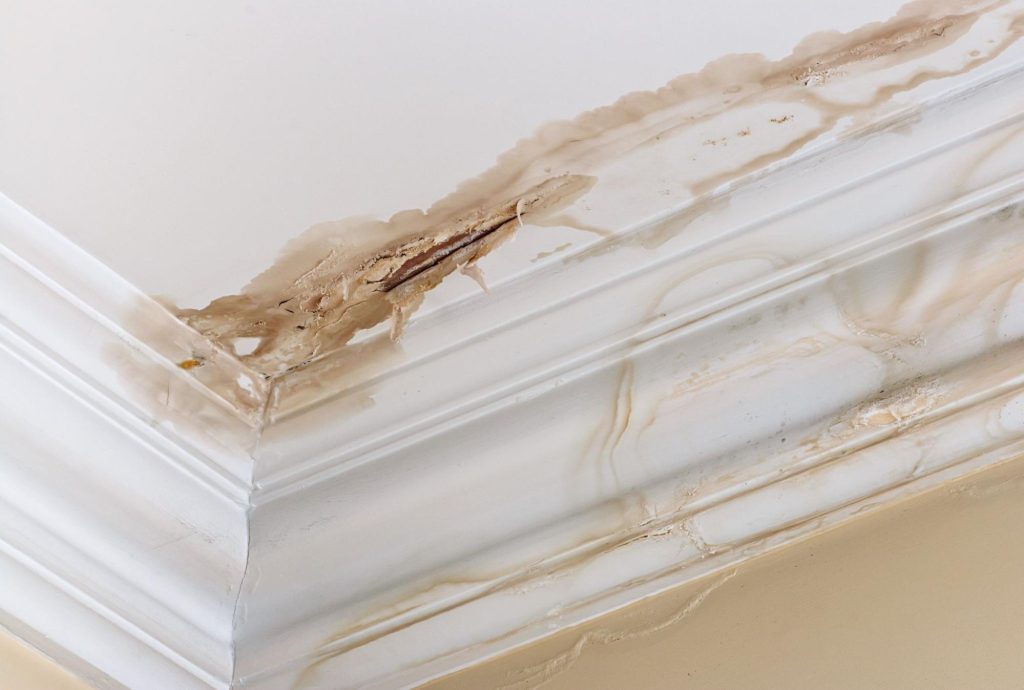
Water from an upper level travels through insulation and framing before becoming visible. Ceiling materials can hold moisture temporarily before showing signs such as staining or sagging.
Drain Overflows or Backups
Drain overflows can introduce contaminated water into the home. Backups from sewage lines may carry bacteria and pathogens. A licensed plumber should assess the situation before cleanup begins.
What to Do Immediately After Discovering a Leak
- Shut off the main water valve
- Turn off power only if it can be done safely without contact with standing water
- If sewage is involved, use protective gear before entering the area
- Place containers under active drips
- Move furniture and valuables away from wet areas
- Remove standing water when it is safe to do so
- Avoid using plumbing fixtures connected to the affected line
- Document visible water leak damage and notify your insurance provider
- Contact a licensed plumber to locate and repair the source
FAQs
How long does water damage take to show?
Visible signs such as discoloration, warping, or soft spots can appear within hours. Hidden water damage leaks may take days or weeks to become noticeable.
How long does it take for a leak to cause water damage?
Drywall, wood, and insulation begin absorbing moisture almost immediately. Damage can start before visible symptoms develop.
How to tell if water leak damage is permanent?
Warped flooring, deteriorated drywall, persistent odors, and visible mold often indicate that materials need replacement. Items that remain wet for more than 48 to 72 hours are less likely to be salvageable.
How do plumbers detect hidden water leaks?
Licensed plumbers use moisture meters, thermal imaging, and acoustic detection equipment to locate leaks behind walls, under slabs, and around fixtures.
Stop Plumbing Water Damage Before It Spreads
Lynch Plumbing provides leak detection and repair services across Los Angeles, Ventura County, and the San Fernando Valley. Licensed plumbers locate the source, limit further damage from water, and complete repairs designed to hold over time.
Call Lynch Plumbing to schedule service. Delays allow water damage to a house to expand and increase repair costs.
Schedule Appointment