
Plumbing problems rarely improve on their own. A slow drain, unexplained increase in your water bill, or slight drop in water pressure may seem minor at first, but these changes can indicate hidden leaks, corrosion in pipes, or developing blockages. Recognizing the signs of plumbing problems early can help limit water damage, lower the cost of plumbing repairs, and reduce the likelihood of needing emergency plumbing service.
This guide covers common plumbing issues to watch for, along with practical plumbing maintenance tips that can help protect your home.
Common Plumbing Warning Signs
Homeowners should always be aware of both silent and visible indicators of plumbing trouble. Early detection is key to avoiding hefty repair costs.
Low Water Pressure
Low water pressure at one fixture may come from a clogged aerator or a problem with that specific faucet. A noticeable drop throughout the home could indicate a hidden leak, mineral buildup, a failing pressure regulator, or corrosion in pipes.
Pay attention to pressure that changes suddenly or continues to decline. A plumber can determine if the problem is limited to a fixture or affects a larger section of the plumbing system.
Unusual Plumbing Noises
Banging, whistling, dripping, or gurgling sounds can provide early clues about a developing problem. Banging pipes may result from water hammer or unsecured piping, while whistling can indicate restricted water flow or excessive pressure.
Gurgling from a sink, tub, or toilet often means air is trapped in the drainage system. It may also indicate a partial blockage that requires professional drain cleaning. If several drains gurgle at once, the problem could involve the main sewer line.
Slow or Frequently Clogged Drains
A single slow drain may have a localized buildup of hair, soap, grease, or other debris. Multiple slow drains can point to a deeper blockage within the home’s drainage or sewer system.
Recurring clogs deserve attention even when plunging temporarily restores drainage. Repeated blockages are among the common plumbing issues that can lead to wastewater backups and more extensive plumbing repair if the underlying cause is not addressed.
Unexplained Increases in the Water Bill
A water bill that rises without a clear change in household use may indicate a hidden leak. Running toilets, dripping fixtures, damaged irrigation lines, and leaks behind walls can waste significant amounts of water without creating an obvious puddle.
Compare current water usage with previous billing periods. If the meter continues moving while all fixtures and water-using appliances are off, schedule a professional leak inspection.
Water Stains, Damp Areas, or Musty Odors
Discoloration on ceilings, walls, cabinets, or flooring may indicate water escaping from a pipe or fixture. Damp drywall, peeling paint, warped flooring, and persistent musty odors can also develop around concealed leaks.
Do not wait for the affected area to dry on its own. Moisture can spread beyond the visible stain and damage insulation, framing, and nearby materials. Homeowners should also review their insurance for water damage to understand applicable coverage, exclusions, and reporting requirements.
Discolored or Unusual-Smelling Water
Brown, yellow, or rust-colored water may be associated with sediment, aging supply lines, or pipe corrosion. Discoloration that appears only when using hot water could point to sediment or deterioration inside the water heater.
Metallic, sulfur-like, or sewage odors also warrant attention. A plumber can determine if the source is a drain, water heater, supply line, or another part of the system.
Changes in Hot Water Performance
Water that does not get hot enough, fluctuates in temperature, or runs out faster than expected may indicate a failing heating element, thermostat problem, sediment buildup, or another equipment issue. Rumbling or popping sounds can also develop when sediment collects inside a tank-style unit.
Leaks near the tank, rust-colored hot water, or unexplained changes in energy use may signal the need for water heater repair. Water around the unit or a sudden loss of hot water may require prompt professional service.
Toilets That Run, Rock, or Overflow
A toilet that continues running after flushing may have a worn flapper, faulty fill valve, or another internal problem. Though it may appear minor, constant running can waste water and increase monthly utility costs.
A toilet that rocks at its base could have loose mounting hardware or a damaged seal. Water around the base, repeated overflows, or sewage odors should be evaluated before moisture damages the flooring or subfloor.
Visible Pipe Corrosion or Recurring Leaks
Flaking, discoloration, stains, or green and white deposits around exposed pipes and fittings can indicate corrosion. Frequent pinhole leaks may mean that deterioration extends beyond one isolated section.
Repeated repairs can increase the overall cost of plumbing repairs without resolving the condition of an aging piping system. A broader inspection can help determine if a targeted repair or repiping evaluation would provide a more practical long-term solution.
Sewage Odors or Wastewater Backups
Persistent sewage odors may result from a dry drain trap, damaged seal, blocked vent, or sewer line problem. Wastewater backing up through a toilet, tub, shower, or floor drain requires immediate attention.
Avoid using fixtures if wastewater is returning through the drains. Contact an emergency plumbing professional, especially when multiple fixtures are affected or contaminated water is entering the property.
Address Plumbing Problems Before Damage Spreads
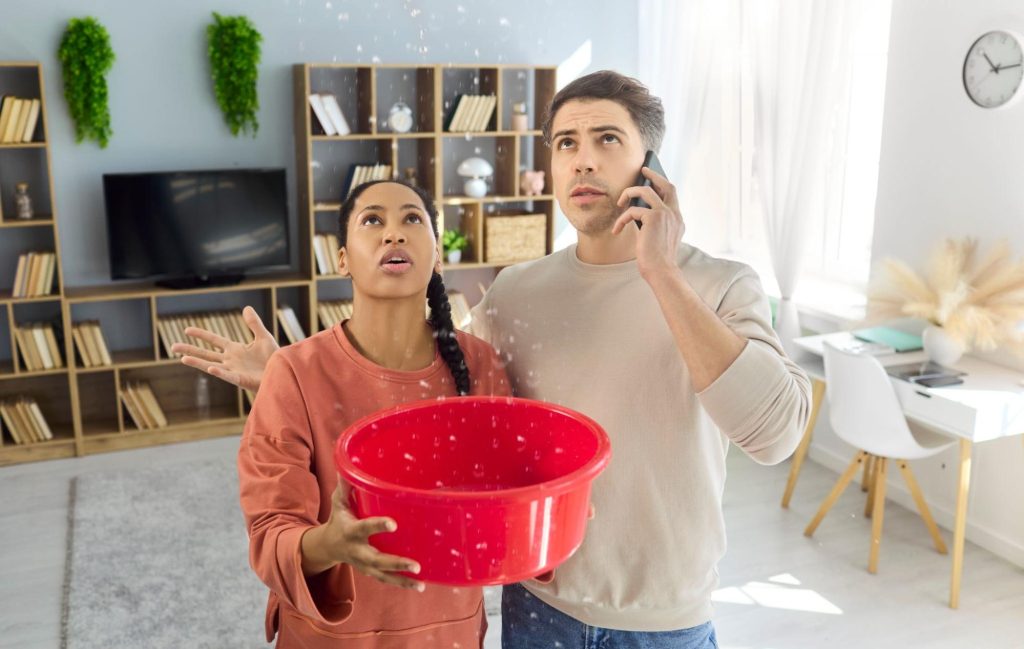
Small warning signs often provide an opportunity to schedule service before a problem causes extensive water damage or disrupts the household. Monitoring water pressure, drainage, utility bills, pipe condition, and hot water performance can help homeowners recognize changes early.
Consistent preventative plumbing maintenance can identify leaks, corrosion, drainage problems, and worn components before they lead to larger repairs.
Lynch Plumbing has served homes and businesses across Los Angeles, Ventura County, and the San Fernando Valley since 1985. If you have noticed any warning signs, contact Lynch Plumbing to schedule an inspection or Plumbing repair. For burst pipes, sewage backups, severe leaks, or other urgent failures, 24/7 emergency Plumbing service is available.
Frequently Asked Questions
What are early signs of plumbing failure?
Early signs of plumbing failure include low water pressure, unusual noises, and visible leaks or stains. If you notice any of these issues, it’s crucial to act quickly to prevent further damage.
How can I detect a plumbing leak in my home?
To detect a plumbing leak, look for water stains, damp spots, or an unexplained increase in your water bill. A professional inspection can confirm and locate hidden leaks.
Is low water pressure a sign of a plumbing problem?
Yes, low water pressure often indicates a plumbing problem such as pipe corrosion, leaks, or obstructions. It’s beneficial to investigate and fix the issue promptly.
What should I do if I suspect a plumbing failure?
If you suspec a plumbing failure, contact a licensed plumbing contractor for a thorough inspection. Timely repairs can prevent additional issues and costly repairs.
How much can water damage repairs cost?
The cost of plumbing repairs due to water damage can vary greatly, typically ranging from $100 for minor fixes to over $5,000 for extensive damage. Address issues early to minimize costs.
Schedule Appointment