
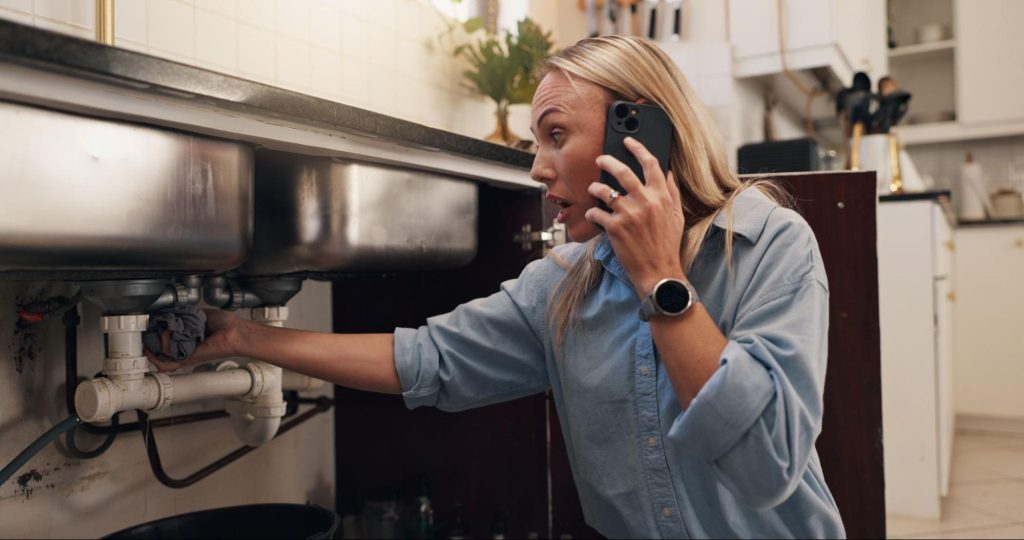
Plumbing problems often show up at inconvenient times. A pipe dripping late at night, sudden drops in water pressure, or sewer odors inside your home can leave you unsure if the issue can wait or needs immediate attention.
Some problems can be handled the next day, while others can escalate quickly, create health risks, or interrupt your water supply. Knowing the difference helps limit damage, reduce repair costs, and protect your home from long-term issues.
Plumbing emergencies usually involve active water movement, contamination risks, or system failures that affect multiple areas of the home.
Plumbing Emergencies That Require Immediate Attention
Certain plumbing issues need fast action to prevent water damage, health risks, or system failure. The following signs indicate a problem that should not be delayed.
1. Active Water Is Flowing Where It Shouldn’t Be
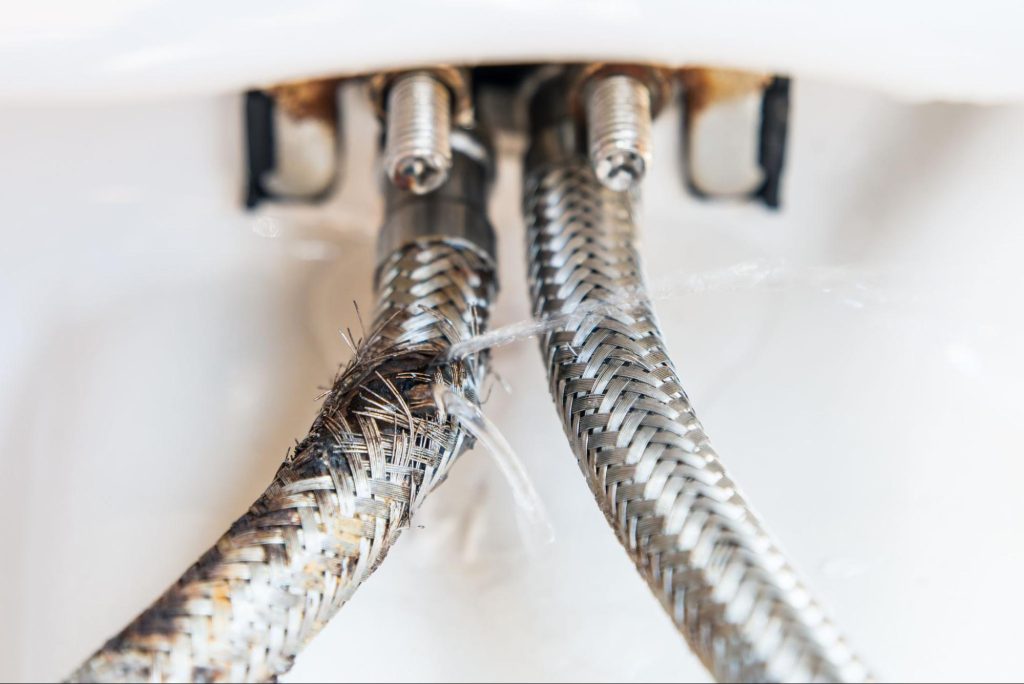
Leaks can spread fast through walls, ceilings, and floors. Even a small, steady drip can saturate materials over time and create conditions for mold growth if left untreated.
Signs you need prompt service:
- Stains forming on walls or ceilings
- Floors that feel damp, warped, or soft without a visible spill
- Sounds of water running when no fixtures are in use
- Water pooling near baseboards or cabinets
If water is spreading or affecting more than one area, shut off the main water supply and contact a licensed emergency plumber. Quick action helps limit structural damage and prevents moisture from spreading deeper into the home.
2. Sewage Backup or Strong Sewer Odors Inside the Home
Sewage entering the home introduces harmful bacteria and contaminants that can affect indoor air quality and surface cleanliness.
Watch for these warning signs:
- Two or more drains backing up at the same time
- Water or waste appearing in tubs, showers, or floor drains
- Persistent sulfur or sewage odors indoors
- Gurgling sounds coming from drains or toilets
When multiple fixtures are affected, the issue often involves the main sewer line. Tree roots, grease buildup, or pipe damage can restrict flow. Continued use of sinks, toilets, or appliances can worsen the backup and spread contamination.
3. A Sudden Pressure Drop Across Multiple Fixtures
A noticeable drop in water pressure throughout the home can point to a significant leak, a burst pipe, or a supply issue affecting your plumbing system.
Common signs include:
- Weak water flow from multiple faucets
- Wet spots on walls, ceilings, or flooring
- Hissing or rushing sounds behind walls
- A sudden increase in water usage or billing
Pressure loss affecting a single fixture may indicate a localized issue, but whole-home pressure changes should be treated as urgent. Shutting off the main water valve can help prevent further water loss if a leak is suspected on your property.
4. Slab Leak Warning Signs Appear
A slab leak occurs when a pipe beneath the foundation develops a break or leak. These problems are often hidden until symptoms become noticeable.
You may notice:
- Warm areas on the floor
- Damp spots or unexplained moisture along flooring
- Cracks forming in tiles or near the foundation
- A gradual drop in water pressure
- Higher water bills without increased usage
Slab leaks can damage flooring materials and create moisture conditions that support mold growth. In more advanced cases, shifting soil beneath the foundation can contribute to structural concerns. Early detection helps reduce the extent of emergency plumbing repairs.
5. No Running Water in the Entire House
A complete loss of water that is not tied to a scheduled utility shutoff may indicate a problem within your plumbing system or supply line.
Possible causes include:
- A major leak somewhere on the property
- A malfunctioning pressure regulator
- A break in the underground supply line
- A valve that has failed or closed unexpectedly
Start by checking with neighbors or your local utility provider to rule out a broader outage. If the issue appears isolated to your property, a licensed emergency plumber can identify the source and restore service.
6. A Water Heater Failure That Poses Risk
Water heaters can fail in ways that lead to flooding or unsafe pressure conditions if not addressed quickly.
Call for service if you notice:
- Water pooling around the base of the unit
- Unusual or loud noises during operation
- Inconsistent or excessively hot water
- Discharge from the temperature and pressure relief valve
Sediment buildup, internal corrosion, or pressure issues can cause the system to fail. Prompt inspection helps prevent water damage and extends the lifespan of the unit.
7. Gas Smell Near Plumbing Fixtures or the Water Heater
A gas odor indicates a potential leak and requires immediate action to protect your home and safety.
If you notice a sulfur or “rotten egg” smell:
- Do not use electrical switches or appliances
- Avoid open flames
- Leave the property immediately
- Contact your gas utility or emergency services from a safe outdoor location
After the area is confirmed safe, a licensed professional can inspect and repair gas-connected systems.
When It’s Safe to Wait Until Morning
Some plumbing issues are inconvenient but do not pose immediate risk.
You can typically wait if you notice:
- A faucet dripping slowly
- A toilet that fills more slowly than usual
- Minor drain clogs that do not overflow
- Appliances draining slowly without backing up
These issues should still be addressed, but they can usually be scheduled during normal service hours.
How Fast Plumbing Damage Can Escalate
Water damage can begin quickly once moisture spreads into surrounding materials. The extent of damage depends on the amount of water and how long it remains untreated.
- Within hours: Water can seep into flooring and wall cavities
- Within 24–48 hours: Mold growth can begin if materials remain damp
- After extended exposure: Drywall, wood, and insulation may require replacement
Even small leaks can create larger problems over time. Acting early reduces the risk of widespread damage.
What to Do Before Plumbing Emergency Help Arrives
Taking the right steps before an emergency plumber arrives can help limit damage:
- Shut off the main water valve if a leak is active
- Turn off the water heater
- Cut power to affected areas if it is safe to do so
- Avoid using sinks, toilets, or appliances
- Move furniture and valuables away from wet areas
- Document visible damage for insurance purposes
Preparation helps control the situation until professional emergency plumbing repairs begin.
Get Fast Plumbing Emergency Help Before Damage Spreads
Lynch Plumbing provides emergency service for urgent plumbing issues, including burst pipes, sewer backups, slab leaks, and sudden water loss.
We serve Los Angeles County, the San Fernando Valley, Ventura County, and the Santa Clarita Valley with licensed plumbers who respond quickly and provide reliable emergency plumbing repairs.
Call a trusted emergency plumber now to restore your plumbing system and prevent further damage.
Schedule Appointment