
A plumbing service call is the visit a licensed plumber makes to your home or property to diagnose, explain, and fix a plumbing problem. Most calls move through the same five stages: scheduling, diagnosis, an estimate, the repair, and documentation with warranty details.
Almost every homeowner ends up calling a plumber because something went wrong out of nowhere. A leak under the sink. A clogged drain. A cold shower on the one morning you’re already running late. When you know what actually happens during a service call, the whole thing feels a lot less intimidating, and you show up prepared instead of anxious.
Key Takeaways
- Most plumbing service calls follow five stages: scheduling, diagnosis, estimate, repair, and documentation.
- Diagnostic tools include camera inspection, acoustic leak detection, thermal imaging, and water pressure tests.
- Service call fees typically run $150 to $250, applied toward the repair.
- Emergency plumber costs usually run 1.5 to 3 times standard rates.
- A complete service call ends with written documentation and clear warranty terms.
The Core Stages of Every Service Call
Whatever the problem is, professional service calls tend to hit the same core stages. A dripping faucet and a burst pipe actually start the same way: understand the issue, test it, and price the fix before touching anything.
A consistent, repeatable process protects both the plumber and the customer. It keeps surprise charges off the bill and makes sure nothing slips through the cracks.
Here’s what each stage looks like:
Step 1: Scheduling and Describing the Problem
Your service call starts the moment you pick up the phone. Expect a few quick questions: How long has this been going on? Where is it? How bad is it right now?
Those details help the plumber show up with the right parts and tools. You’ll also get an arrival window instead of an exact minute because earlier jobs sometimes run long.
Step 2: Diagnosis and Testing
Once on site, the plumber confirms the real cause rather than guessing at it. A dripping ceiling could mean a roof issue, a supply line, or a drain. A good diagnosis is the difference between a $200 fix and a $2,000 mistake.
This is where the right tools earn their keep. Instead of opening walls on a hunch, a skilled plumber uses non-invasive equipment to pinpoint the source first.
Tools a Plumber May Use to Find the Cause
- Water pressure test: Measures whether your system runs too high or too low, which can signal leaks or valve problems.
- Drain flow testing: Checks how quickly water moves to locate partial clogs.
- Thermal imaging: Detects hidden moisture behind walls and under floors without demolition.
- Acoustic leak detection: Uses sensitive listening equipment to hear water escaping from buried or concealed pipes.
- Camera inspection of drain and sewer lines: A waterproof camera travels through the pipe so the plumber sees cracks, roots, or blockages in real time.
A camera inspection drain check is especially handy for clogs that keep coming back. For deeper sewer issues, sewer inspections show exactly what’s happening underground. Knowing wen to call a professional for drain problems saves money on repeat visits.
Step 3: The Estimate and Your Approval
After the diagnosis, the plumber explains what they found in plain language and lays out your options. You should get a clear plumbing repair estimate before any work starts. Nothing happens without your go-ahead.
Honest recommendations are what set a good plumber apart. Sometimes a simple drain cleaning does the trick, and sometimes a water heater repair makes more sense than a full replacement.
Step 4: Completing the Repair
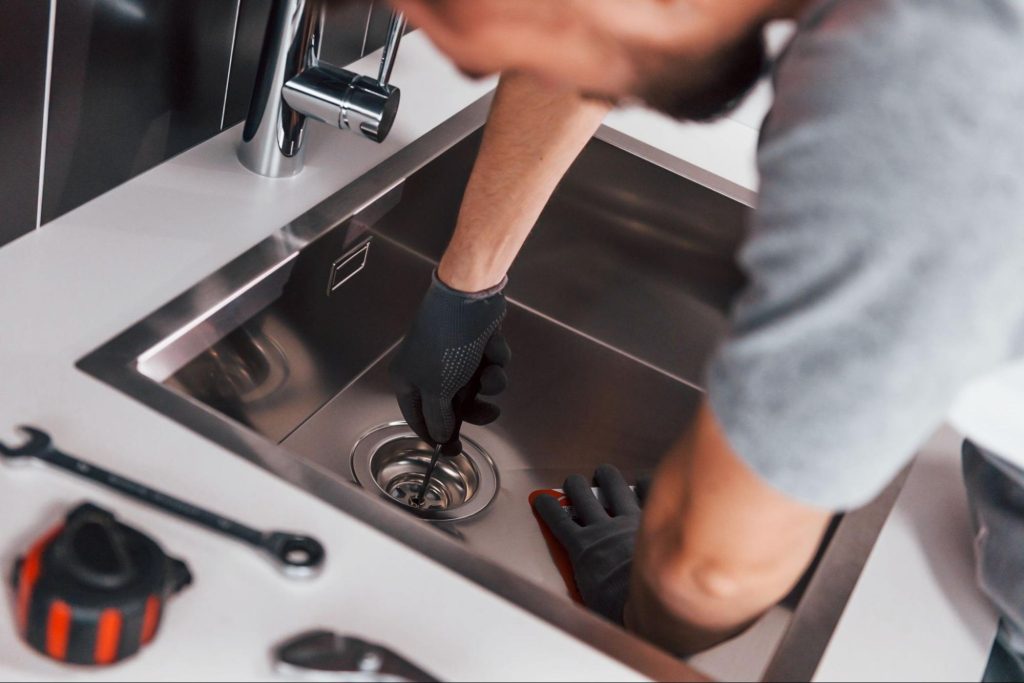
Once you approve, the plumber gets to work. A quality visit doesn’t stop at the immediate fix. The plumber checks the surrounding area to catch related issues before they turn into tomorrow’s emergency.
This full-system check is a good idea because small problems tend to travel together. A leaking valve near an aging water heater, for example, is worth flagging while someone’s already there. For stubborn buildup, hydro jetting clears lines that snaking can’t touch.
Step 5: Documentation and Warranty
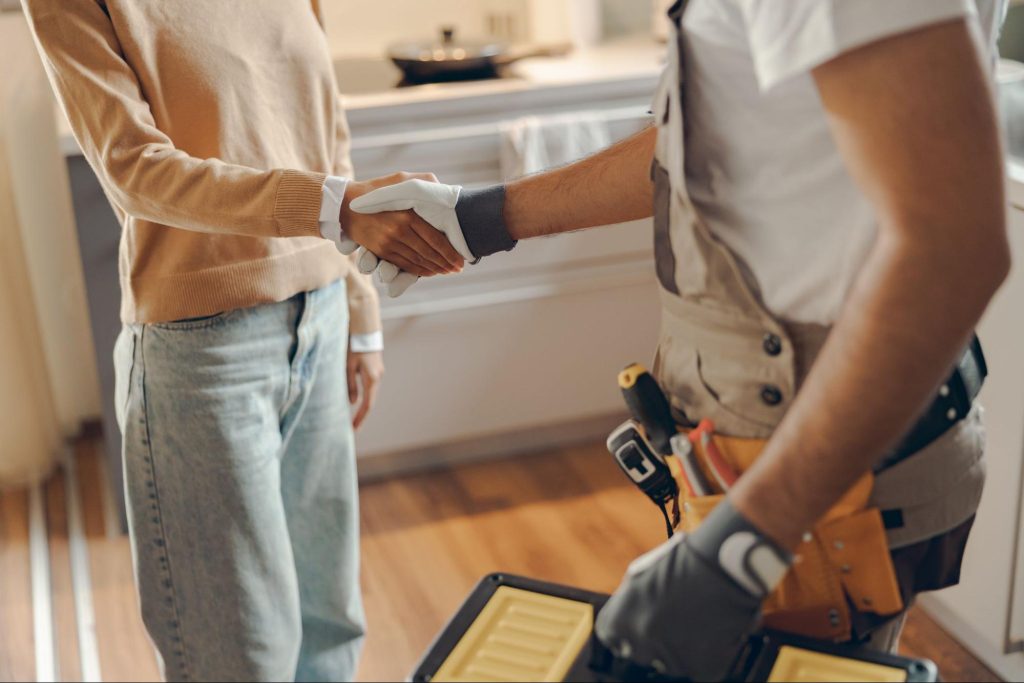
A complete service call ends with paperwork, not just a handshake and a wave. You should receive written documentation of what was found, what was done, and the parts installed. Documentation is a marker of a trustworthy plumbing company.
That record includes your plumbing warranty terms. Ask what the warranty covers and how long it lasts, since coverage varies by part and by labor. Hang on to this paperwork for future reference or insurance.
How to Get the Most From Your Service Call
A little prep makes the visit faster and cheaper. Run through this quick plumbing inspection checklist before the plumber arrives:
- Clear the work area under sinks or around the water heater.
- Note when symptoms started and how often they happen.
- Locate your main water shutoff.
- Ask about the plumbing warranty and preventive maintenance.
These small steps help the plumber diagnose faster and give you an accurate estimate. Preparation turns a stressful visit into a smooth one.
Know What to Expect From Your Plumbing Service Call
A professional plumbing service call should leave you with more than a temporary fix. You should understand what caused the problem, which repairs were completed, what the final cost covers, and how to prevent the issue from returning. Clear estimates, written documentation, and warranty details can also help you feel confident about the work performed.
If you need help with a leak, clogged drain, water heater problem, or another plumbing concern, contact Lynch Plumbing. Our family-owned team has served homeowners and businesses throughout Los Angeles, Ventura County, and the San Fernando Valley for over 35 years. Schedule a plumbing service call for prompt diagnosis, straightforward recommendations, and dependable repairs.
Frequently Asked Questions
How long does a plumbing service call usually take?
Most standard plumbing service calls take one to two hours, including diagnosis and the repair. Complex jobs like sewer line work or water heater replacement can run several hours or need a follow-up visit. Your plumber should give you a time estimate after the diagnosis.
What should I do to prepare before the plumber arrives?
Clear the area around the problem, locate your main water shutoff, and write down when the symptoms began. Note any patterns, like clogs that return or leaks that get worse with water pressure. This information speeds up diagnosis and helps produce an accurate plumbing repair estimate.
Why do emergency plumbing calls cost more than regular visits?
Emergency plumber costs run 1.5 to 3 times standard rates because you’re paying for immediate, after-hours response on nights, weekends, and holidays. Urgent problems like burst pipes or sewage backups need fast action to prevent expensive water damage. In those cases, the higher rate often saves far more than it costs.
Schedule Appointment