
Water heaters operate in the background of most homes, which makes it easy to overlook their condition until problems begin to appear. Knowing how long a unit typically lasts and when replacement makes sense helps homeowners avoid preventable damage, unplanned expenses, and service disruptions.
Average Lifespan of a Water Heater
According to the U.S. Department of Energy, traditional tank-style water heaters, common in many U.S. homes, typically last 10–15 years, while tankless water heaters often operate for around 20 years. These estimates assume routine maintenance.1
Fuel type affects longevity. Gas water heaters rely on burners and venting components that degrade over time. Electric water heaters more commonly experience issues with heating elements, thermostats, and controls.
Water quality also plays a role. In areas with mineral-rich water, sediment buildup inside the tank accelerates internal wear and reduces efficiency. According to ENERGY STAR, older water heaters can fail without warning.2 Replacing a water heater before breakdown helps prevent emergency situations and costly water damage.
Modern Water Heater Options and Longevity
Advances in water heater design have improved efficiency, durability, and maintenance access. These improvements often influence the decision to replace an aging unit rather than continue repairs.
Tankless water heaters heat water only when a tap is opened instead of storing hot water throughout the day. This reduces standby energy loss and limits wear on internal components. Routine maintenance remains important, especially in areas with hard water, but newer designs are better equipped to manage mineral buildup than older systems.
Clear Signs Your Water Heater Is Near the End
Water heaters often show warning signs as they approach the end of their service life.
Inconsistent water temperature
Fluctuating or lukewarm water often points to failing heating elements or sediment buildup. In tankless systems, reduced output can result from mineral deposits inside heating components.
Discolored or foul-smelling water
Rust-colored water, cloudiness, or a metallic taste indicates internal corrosion. A sulfur-like odor may occur when the anode rod reacts with minerals or bacteria inside the tank.
Water pooling or moisture near the unit
Damp areas, corrosion around fittings, or small leaks at the base of the water heater often indicate internal tank deterioration. In most cases, a leaking tank requires replacement rather than repair.
Unusual noises
Rumbling, popping, or cracking sounds signal sediment accumulation and overheating, both of which accelerate wear.
Rising energy bills
As water heaters age, efficiency declines, increasing monthly utility costs.
Frequent repairs
Repeated service calls often indicate that replacement is more cost-effective than continued repairs.
Unit age approaching or exceeding expected lifespan
Water heaters nearing the end of their typical service life are more likely to fail without warning, even if they appear to be operating normally.
How Maintenance Affects Replacement Timing
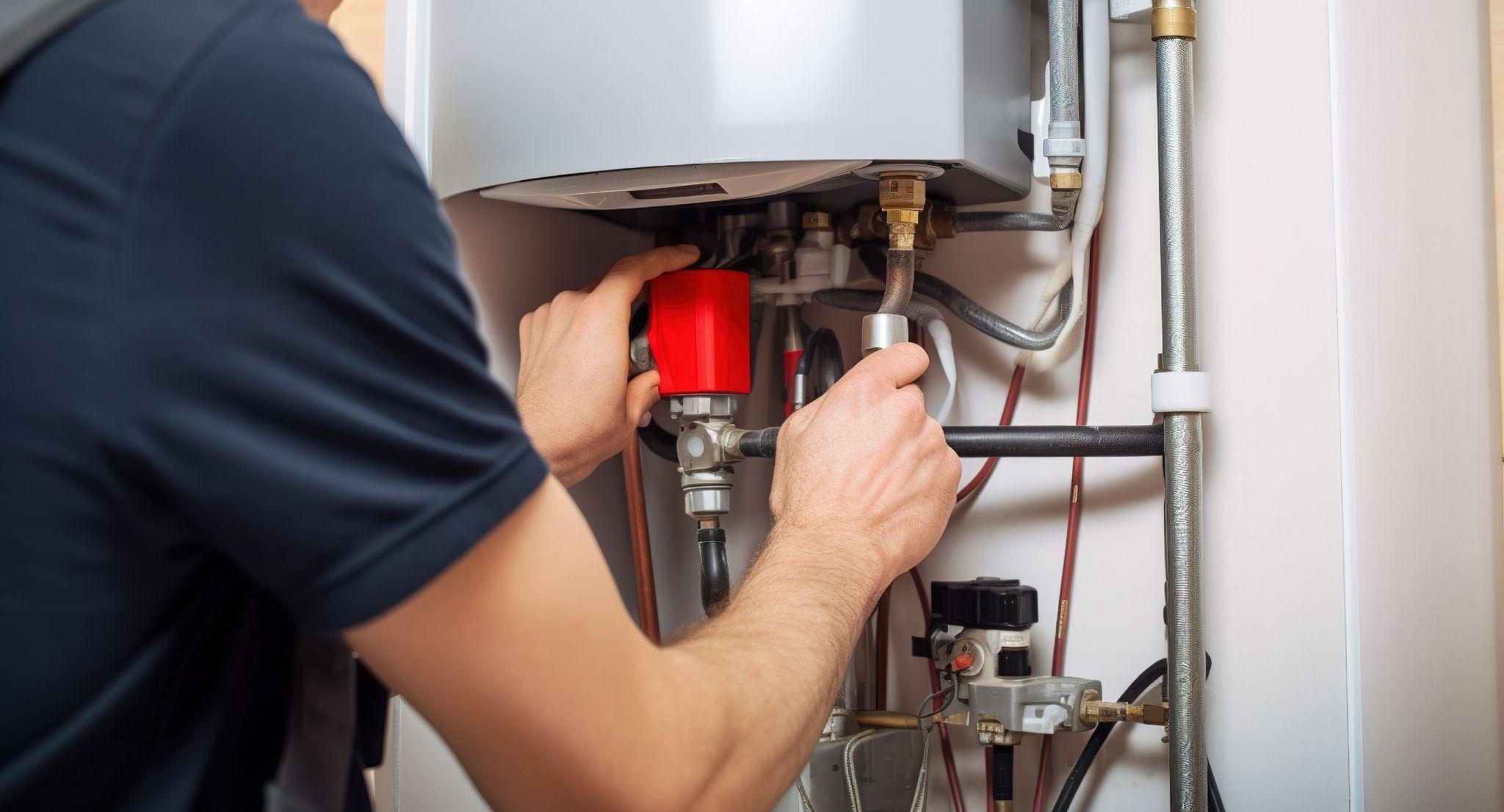
Routine maintenance can help both tank and tankless water heaters last longer, but it cannot stop normal aging.
For tank-style units, flushing can reduce sediment buildup and improve efficiency, but it does not prevent internal wear or corrosion over time. As tanks age, the risk of leaks and sudden failure increases even when maintenance is performed regularly.
Tankless water heaters also benefit from periodic cleaning to limit mineral buildup, but their internal components still wear down with age and use.
Maintenance can delay replacement and reduce short-term issues, yet it cannot restore lost efficiency or eliminate long-term risk. When age, declining performance, and repeated repairs begin to overlap, replacement is usually the more reliable option.
Repair vs. Replacement: How to Decide
The decision typically depends on three factors: the unit’s age, its condition, and repair frequency.
Water Heater Repair
Repair is usually appropriate for newer water heaters with a single, isolated issue such as a thermostat or heating element failure. Professional repairs restore operation but do not extend the unit’s overall lifespan.
Water Heater Replacement
Hot water heater replacement is generally the better option for systems over 10 years old or units with recurring problems such as corrosion, leaks, or declining efficiency. Replacing an aging water heater reduces the risk of sudden failure, helps stabilize energy costs, and avoids ongoing repair expenses.
A licensed plumber can evaluate household demand, water quality, and existing connections to recommend an appropriate replacement system and ensure proper installation.
Reliable Hot Water Starts With a Team You Can Trust
Lynch Plumbing brings decades of experience serving Southern California homeowners, backed by a family-first approach and straightforward recommendations.
If your water heater is showing warning signs, our team provides professional water heater repair and replacement services, from accurate diagnostics to clean installation.
Why Homeowners Rely on Us
- Licensed and highly trained plumbers familiar with regional water conditions
- Family-owned company focused on long-term customer relationships
- Experience with tank and tankless water heating systems
- Preventive guidance to reduce energy waste and unexpected breakdowns
- 24/7 emergency service availability
Schedule a water heater evaluation today and let our team handle the rest.
Sources
- U.S. Department of Energy. Which Water Heater Is Right for You?
- ENERGY STAR. When Should You Replace Your Water Heater?