Ever groaned at a slow-draining sink or a gurgling toilet? You might be the one causing it without realizing it. From clog-creating mistakes to pipe-wrecking missteps, a lot of us treat our plumbing like it’s indestructible. But small, unintentional habits can snowball into a soggy mess and a surprise bill.
Let’s explore 7 plumbing issues at home—and how to prevent them going forward.
1: Using Chemical Drain Cleaners Too Often
Chemical drain cleaners promise a quick fix for a common plumbing issue, but their bite goes beyond unclogging the clog. These caustic brews can corrode metal and weaken PVC, leading to leaks or even pipe failure. Over time, repeated use can shorten the life of your pipes.
Prevention: Use enzyme-based cleaners, a plunger, or a drain snake for minor clogs. For tougher blockages, fill the sink with hot (not boiling) water and flush it through before calling a professional. Avoid chemical options unless a plumber recommends them.
2: Flushing the Wrong Thing Down the Toilet
Toilets aren’t garbage bins, but you wouldn’t know it from what plumbers pull out. Wipes (even the “flushable” kind), cotton balls, paper towels, and kitty litter don’t disintegrate like toilet paper. Instead, they clog pipes, strain septic tanks, and often lead to costly plumbing problems.
Some wastewater agencies have urged bans on “flushable” wipes because they clump with grease and debris to form stubborn, cement-like blockages.
Prevention: Only flush human waste and toilet paper. Keep a small trash can in the bathroom. Posting a reminder for guests can prevent accidental flushes that turn into big problems.
3: Ignoring Small Leaks
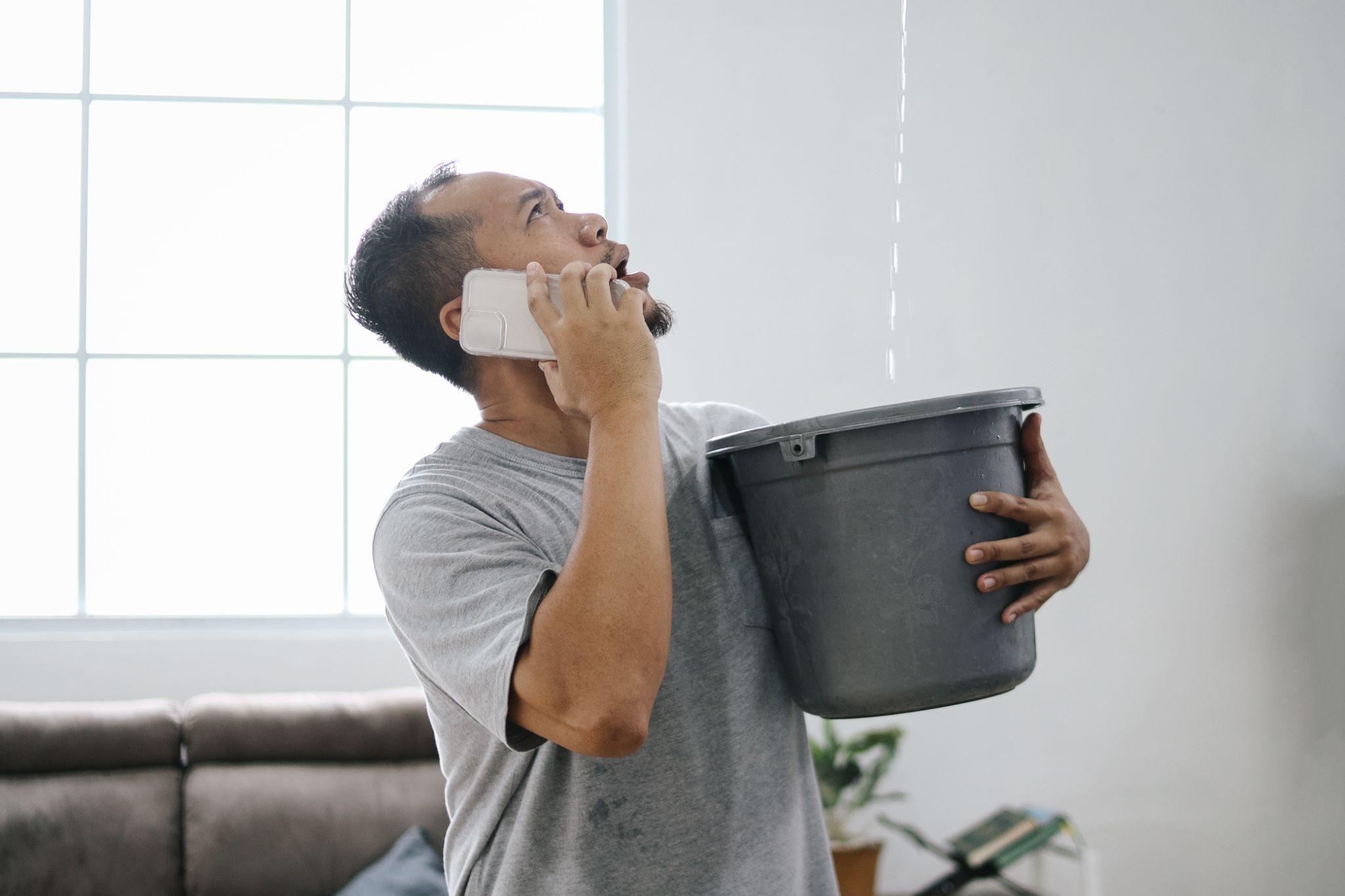
A tiny drip might seem harmless, but it wastes gallons of water, raises your bill, and invites mold. Worn seals, rusty fittings, or loose connections are often to blame. Left unchecked, a drip can turn into flooding or structural damage.
Prevention: Check under sinks and around appliances monthly. Run a dry paper towel along pipes—if it comes away damp, you’ve caught a leak early. Even small leaks should be fixed immediately, since they can weaken cabinets, flooring, and nearby drywall.
4: Overloading the Garbage Disposal
Garbage disposals handle a lot, but not everything. Overloading with coffee grounds, stringy veggies, grease, bones, or large scraps can jam blades and clog pipes. Buildup causes plumbing issues like odors, motor burnout, or slow drains.
Prevention: Avoid grease, eggshells, and fibrous scraps. Feed small amounts into the disposal at a time and run cold water during and for 15 seconds after use to flush debris away.
5: Performing DIY Repairs Without Proper Knowledge
DIY plumbing isn’t always a safe bet. Improper fittings, mismatched pipes, or overtightened connections can cause hidden leaks or sudden bursts. Often, the damage isn’t visible until water shows up behind walls or under cabinets.
Prevention: Only tackle repairs you fully understand. If you’re unsure, shut off the main water valve and call a licensed plumber. Watching repair videos from trusted trade sources can also help you understand the scope before attempting a fix.
6: Pouring Grease or Oil Down the Drain
Hot grease might slip down smoothly at first, but it hardens, coating pipes and trapping debris. The result? Stinky buildup, slow drains, and tough-to-clear blockages. In many areas, grease buildup is one of the main causes of sewer overflows.
Prevention: Let grease cool, then pour it into a disposable container or scrape it into the trash. Wipe pans with a paper towel before washing to reduce residue.
7: Letting Roots Invade Sewer Lines
Tree roots are relentless moisture seekers. In the San Fernando Valley and Los Angeles, dry soil, mature trees, and aging pipes create prime conditions for root intrusion. Even hairline cracks provide entry points, leading to clogs, backups, or pipe collapse.
Prevention: Avoid planting trees near sewer lines. Use root-killing treatments annually or schedule professional sewer inspections every couple of years, especially if your home has older clay or cast-iron pipes.
General Plumbing Maintenance Tips
A number of household plumbing problems can be prevented with some basic plumbing maintenance knowledge and preparation:
- Schedule a whole-home plumbing inspection once a year
- Install inexpensive drain strainers in showers and sinks to catch hair and debris
- Learn where your main water shut-off valve is located so you can act fast in an emergency
Call the Trusted Plumbers in the San Fernando Valley, Los Angeles, and Ventura County
Plumbing problems don’t wait for a convenient time, and neither do we. Lynch Plumbing has been serving San Fernando Valley, Los Angeles, and Ventura County homes for years with reliable service, honest advice, and lasting solutions. As your local residential plumber, we handle everything from urgent repairs to small preventive fixes, always with care and respect for your home.
If you’re ready for plumbing service from a team that values your time, budget, and peace of mind, call Lynch Plumbing today.