
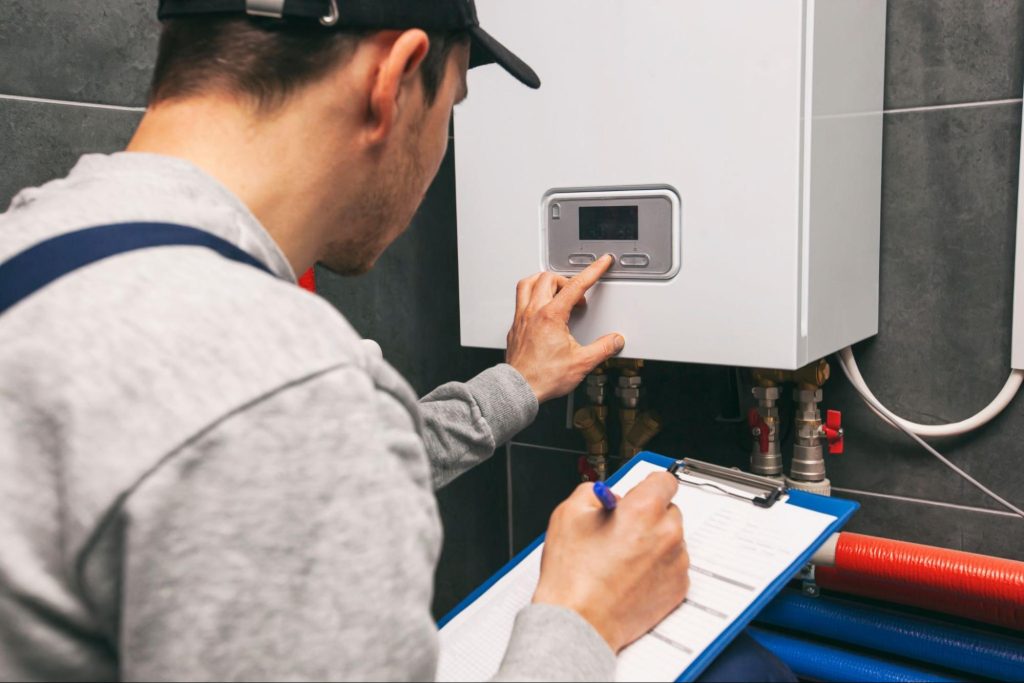
Inconsistent hot water, rising energy bills, or a pressure relief valve that keeps tripping are common signs that a water heater needs attention. Once problems begin, the next step is determining if the issue can be repaired or if replacement makes more financial sense. The system’s age, repair history, and overall condition all factor into that decision.
Quick Answer: Should you repair or replace your water heater?Units less than 10 years old with a single faulty component are often good candidates for repair, especially when the tank itself remains in good condition. Many plumbers use the 50% rule as a general guideline—if repair costs exceed half the price of a new unit, replacement is often the more practical investment. A tank leaking from the base, producing rusty water, or requiring repeated service calls has typically reached the end of its service life, regardless of age. |
Why Water Heater Problems Shouldn't Be Ignored
A slow leak can travel into wall cavities and under flooring, creating hidden moisture that can contribute to mold growth if left unresolved.
Sediment buildup forces the system to work harder, increasing energy costs and accelerating wear on internal components.
A faulty pressure relief valve can allow unsafe pressure buildup inside the tank, which increases the risk of system failure. Gas water heaters with leaks or faulty connections can also pose risks, including carbon monoxide exposure or fire.
Catching problems early, through routine inspection or leak detection devices, helps limit damage and reduce long-term repair costs.
Signs Your Water Heater Can Be Repaired
Several common water heater issues point to a single repairable component rather than full system failure:
- Inconsistent water temperature, commonly caused by a faulty thermostat or heating element
- Popping or rumbling sounds, typically caused by sediment buildup that may be resolved through flushing
- Leaks around valves or fittings, which are repairable issues unlike leaks from the tank itself
- Persistent lukewarm water despite correct thermostat settings, often caused by a deteriorated dip tube
- Pilot light failures on gas units, commonly linked to a faulty thermocouple that regulates gas flow to the burner
- Discolored water, which may indicate a depleted anode rod rather than internal tank corrosion
In many cases, it can still make financial sense to repair a hot water heater while it remains under warranty, since covered parts or labor may reduce overall repair costs. A licensed plumber can confirm warranty eligibility before recommending water heater replacement.
Signs It’s Time to Replace Your Water Heater
Certain problems indicate the unit has reached the end of its service life. Water heater replacement is typically recommended when:
- The tank is leaking from the base, which cannot be repaired
- Hot water appears rusty, cloudy, or discolored, which may indicate internal corrosion, sediment buildup, or an anode rod issue
- Water develops a metallic odor or taste, often related to advanced corrosion inside the tank
- The unit is more than ten years old and continues breaking down
- Energy bills rise without a change in usage, often due to declining efficiency
- Unusual noises, such as banging or hissing, continue after maintenance
- Repair costs exceed 50% of the price of a new unit
Traditional tank water heaters typically last 8 to 12 years, while tankless systems often last 15 to 20 years with proper maintenance. Once a unit approaches that range, water heater replacement is often the more reliable long-term option.
Repair or Replace a Hot Water Heater: How to Decide
Two main factors help determine the better long-term option: the unit’s age and the nature of the problem. Newer systems with isolated component failures can often continue operating reliably after targeted repairs. Older systems with recurring issues, corrosion, or tank damage are usually better candidates for replacement.
Household hot water demand should also factor into the decision. If back-to-back showers consistently drain the tank, the current unit may be undersized. Installing a properly sized replacement can improve hot water availability and shorten recovery times.
Homeowners upgrading to a more energy-efficient model may qualify for rebates through local utility providers such as LADWP and SoCalGas, depending on current program availability. A licensed plumber can review available incentives and help compare long-term operating costs between systems.
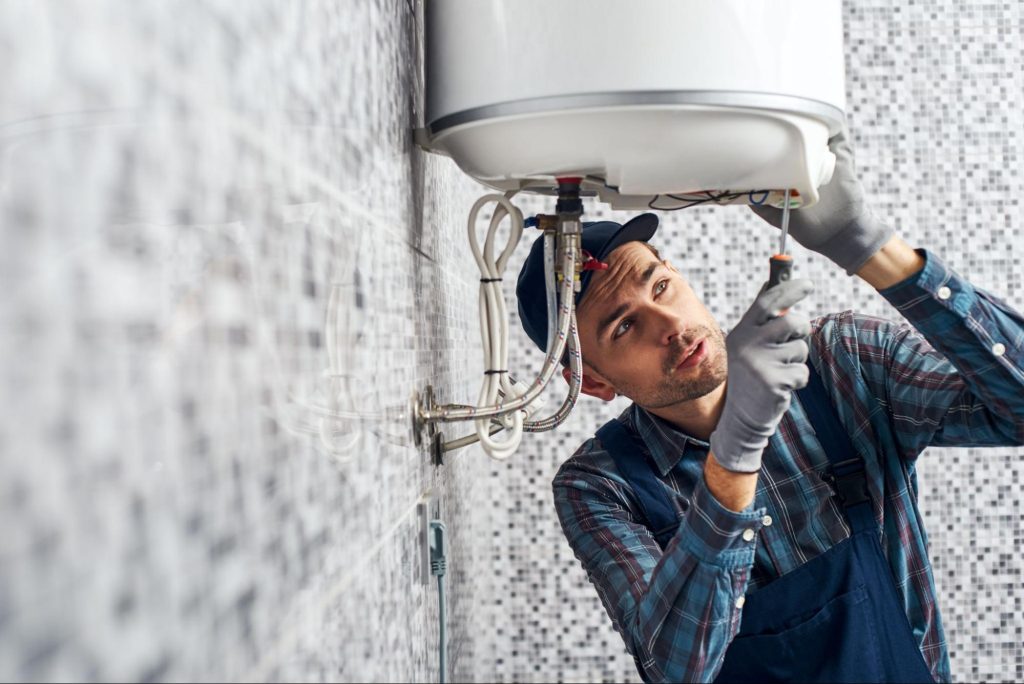
How to Extend the Life of Your Water Heater
Routine maintenance helps prevent premature failure and keeps the system operating efficiently:
- Flush the tank annually to remove sediment buildup
- Replace the anode rod every three to five years to help prevent internal corrosion
- Test the pressure relief valve annually to confirm proper operation
- Set the thermostat to 120°F to reduce strain on heating components and lower energy use
- Some newer systems and smart shutoff devices can automatically stop water flow when leaks are detected
- Smart water heaters can connect to home energy management systems, allowing heating cycles to run during off-peak utility hours
- In hard water areas, consider a water softener to reduce scale formation before it enters the system
- For tankless units, descale the heat exchanger annually to maintain efficiency
- Insulate tanks and pipes in unheated spaces to reduce stress from temperature swings
Mineral buildup reduces efficiency and accelerates wear on heating components. In hard water areas, more frequent flushing may help limit accumulation and extend system life.
For homeowners planning a hot water heater replacement, proactive maintenance on a new unit can help maximize service life from the beginning. With proper care, both tank and tankless systems can reach the upper end of their expected lifespan.
Get Expert Water Heater Help Before Problems Escalate
Lynch Plumbing provides water heater installation and repair across Los Angeles County, Ventura County, and the San Fernando Valley. Licensed plumbers inspect each system and recommend the most cost-effective solution based on the unit’s condition, repair history, and performance.
For homeowners considering an upgrade, Lynch Plumbing also installs tankless water heaters that provide hot water on demand, improve energy efficiency, and typically last longer than traditional tank systems.
Call Lynch Plumbing today to schedule an inspection and get a clear recommendation on the best next step for your water heater.
Schedule Appointment