
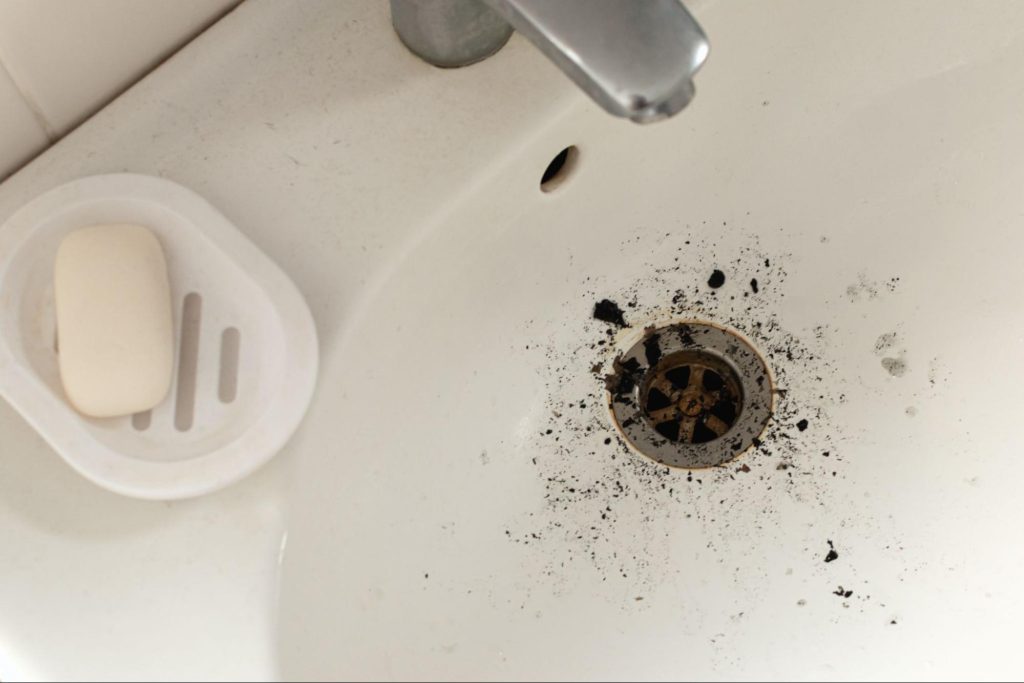
A slow drain, a backed-up fixture, or a gurgling toilet are often treated with a plunger or a store-bought drain cleaner. But when the same problems keep returning or start affecting multiple fixtures, the cause is usually deeper in the sewer line. Knowing which signs point to a sewer line problem helps homeowners recognize when a rooter service is needed.
What Is a Rooter Service and When Is It Used?
This specialized plumbing technique clears severe blockages from sewer lines and household drains, including tree roots, grease, hair, and debris that standard drain tools cannot reach. Rooter plumbing services include video camera inspection to locate the obstruction, and drain augering or hydro-jetting to clear it, with the method selected based on the blockage’s type and severity.
The Most Common Signs You Need a Rooter Service
Sewer line problems rarely appear without warning. These are some of the most common signs that a blockage may be developing deep within your drain or sewer system.
Multiple Drains Are Slow or Completely Blocked
A single slow drain usually means buildup at that fixture, such as grease in the kitchen sink or hair in the shower. When several drains across the home slow down or stop at the same time, it may indicate a restriction in the main sewer line, the pipe that carries all household wastewater out.
Water Is Backing Up Into Other Fixtures
When water backs up into tubs, showers, or floor drains, it means the main sewer line is blocked, and wastewater is being forced back into the home instead of flowing out. This happens because each time a toilet is flushed or an appliance drains, more water enters an already blocked line with nowhere to go. The wastewater then reverses into the nearest open drain.
Gurgling Sounds From Drains or Toilets
When drains or toilets gurgle as other fixtures drain, it usually points to a partial blockage in the main sewer line. The blockage traps air in that line, and when water drains elsewhere in the home and pushes against it, the trapped air is forced back up through other drain openings, producing a gurgling or bubbling sound.
Persistent Sewer Odors in or Around Your Home
Every fixture drain has a curved section of pipe beneath it that holds a small amount of water, creating a seal that blocks sewer gas from entering the home.
When a blockage disrupts airflow inside the drain pipe, gas escapes through the drain opening. Odors detected outside near the yard may indicate a crack or leak further along the sewer line.
Recurring Clogs That Keep Coming Back
A drain that clears with a plunger or snake but blocks again within days or weeks may indicate buildup deeper in the line. Partial obstructions such as grease, mineral deposits, or early root intrusion trap passing debris each time, rebuilding the blockage. A professional drain clearing service removes the obstruction at its source.
Slow Drains That Keep Getting Worse
A clogged drain running slowly for weeks may indicate a buildup narrowing the pipe. Grease and soap residue coat the walls over time, restricting flow. In older pipes, mineral scale from hard water may speed up the problem until the drain blocks completely.
Wet Spots or Unusual Growth in Your Yard
Soggy ground, unexplained puddles, or patches of grass growing noticeably faster or greener than the surrounding area may indicate a leak or crack in the underground sewer line. Sewage seeping into the soil acts as a fertilizer for vegetation above it.
Tree Roots Invading Your Sewer Line
Tree roots naturally seek out the moisture and nutrients that sewer lines provide, and even a hairline crack or slightly loose joint gives them an entry point. Once inside, roots expand and branch, restricting flow and eventually damaging the pipe. Homes with mature trees or large shrubs near the sewer line are at higher risk.
In Los Angeles and the San Fernando Valley, older clay or cast iron pipes are particularly vulnerable because joints and seals deteriorate over decades.
What Causes Sewer Line Blockages in the First Place?
Most blockages develop gradually from materials that accumulate inside the pipe.
- Grease poured down kitchen drains hardens as it cools, coating the pipe walls and catching food particles over time.
- Hair and soap residue bind together in bathroom drains and compound with grease and other buildup in the line.
- Flushing items such as wipes, paper towels, or hygiene products, even those labeled flushable, contribute to obstructions at bends and joints in the line.
- In Southern California, hard water carries high levels of calcium and magnesium that deposit as mineral scale inside pipes, narrowing flow over time.
Aging pipe materials and ground movement from seasonal soil shifts can also damage the line.
What Happens If You Ignore These Signs?
What begins as a slow drain can progress to a complete stoppage, and when the main sewer line is completely blocked, no fixture can drain.
Over time, a leaking sewer line may saturate the surrounding soil with water and sewage. This may affect landscaping, create surface pooling, and cause the ground around the property’s foundation to sink or shift. Moisture reaching wall cavities and subfloors may also encourage mold growth inside the home.
What to Expect During a Rooter Service Visit
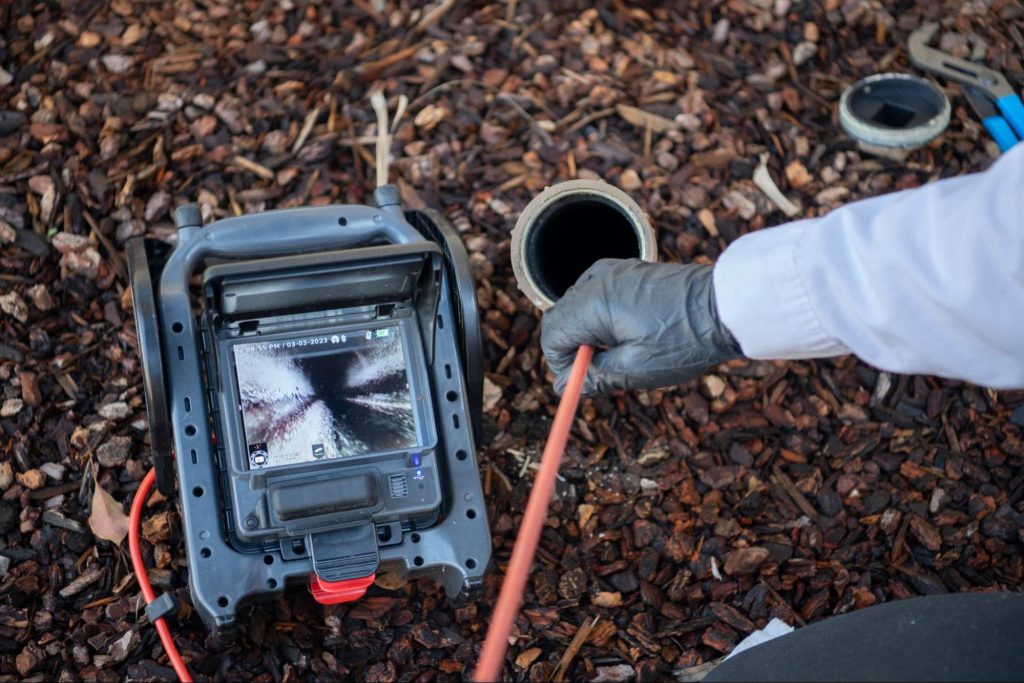
A licensed plumber starts by assessing which drains are affected and whether the problem is contained to one fixture or involves the main sewer line. For main line blockages, a video camera inspection identifies the type and location of the blockage.
Depending on the type and severity of the blockage, the plumber may use hydro jetting, drain augering, or a combination of both. Hydro jetting propels high-pressure water through the pipe to scour the walls and restore full flow. For localized clogs, drain augers use a flexible rotating cable to break apart or extract the buildup directly. After clearing, the plumber may recommend a follow-up inspection, particularly when root intrusion or heavy buildup is involved.
Clear Sewer Line Blockages Before They Affect the Whole System
Lynch Plumbing provides rooter services for sewer line blockages, root intrusion, and persistent drain problems across Los Angeles, Ventura County, and the San Fernando Valley. Our licensed plumbers assess the line, select the right method for the obstruction, and restore full drain function.
Contact Lynch Plumbing today to schedule a rooter service inspection.
Schedule Appointment