
In kitchens everywhere, the humble garbage disposal is a key player in managing food waste, transforming clean-up into an effortless task. Yet, without proper use, this convenient appliance can quickly become a source of plumbing distress. Misuse leads to clogged and damaged disposals—a fate easily avoided with a bit of knowledge and care.
To ensure your garbage disposal works efficiently without causing damage to your plumbing, we’re zeroing in on the crucial “don’ts” of disposal use. Below, we’ll illuminate the common mistakes to avoid and highlight the items that should never find their way down your disposal.
By arming you with this knowledge, we aim to help you maintain a clog-free kitchen sink and dodge those avoidable plumbing emergencies.
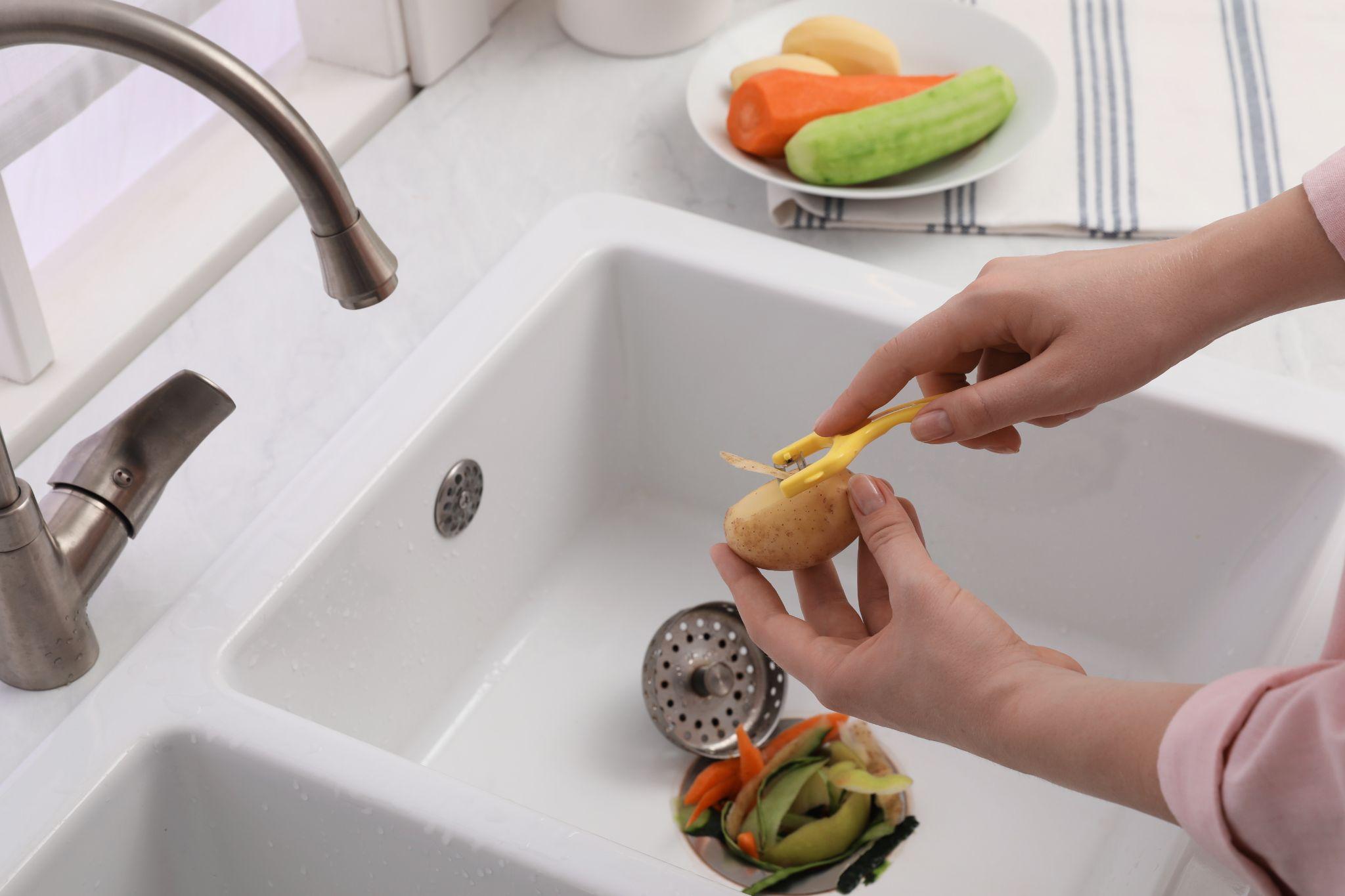 Ensuring the longevity and efficiency of your garbage disposal means being mindful of what you put into it. Below is a list of materials and food waste types that are notorious for causing clogs and damage, and should therefore be avoided to maintain a healthy kitchen plumbing system.
Garbage Disposal Basics
A garbage disposal is a straightforward device equipped with a grinding chamber and spinning blades that mince food waste into fine particles, which are then washed away into the sewage system or septic tank with running water. Primarily designed to manage light food residues rinsed off plates and utensils, it serves as a complement rather than a substitute to the traditional trash can, facilitating the disposal of minor biodegradable waste. However, its utility comes with certain constraints; the disposal cannot effectively handle various kinds of waste without risking damage or clogs, making it essential to recognize and respect these limitations to ensure the appliance’s durability and prevent plumbing complications.Items to Avoid Putting Down Your Garbage Disposal
Ensuring the longevity and efficiency of your garbage disposal means being mindful of what you put into it. Below is a list of materials and food waste types that are notorious for causing clogs and damage, and should therefore be avoided to maintain a healthy kitchen plumbing system.
1. Hard-to-Grind Items
Chicken bones and seafood shells can blunt the blades of your disposal or even jam it, leading to costly repairs. Fruit pits and seeds are just as damaging due to their hard nature.2. Fibrous Materials
Celery and corn husks have fibers that can wrap around the disposal’s blades, causing it to jam or clog. Onion skins, with their thin layers, can bypass the disposal blades and stick to the sides of the waste pipe, creating blockages3. Starchy and Expandable Foods
Pasta, rice, and bread can expand in the presence of water, potentially clogging the disposal and pipes. Potato peels turn into a thick paste due to their starch content, which can gum up the disposal.4. Grease and Oil
Despite appearing harmless in their liquid form, grease and oil solidify upon cooling and adhere to pipes, leading to severe blockages over time.Safe Disposal Practices
To keep your garbage disposal in top condition, always use cold water when grinding food waste. Cold water helps to solidify any grease or oil, making it easier for the disposal to break down. It’s also crucial to cut larger items into smaller pieces before disposing of them, and always avoid the non-food items and problematic foods listed above. Instead of using the disposal for everything, consider composting organic waste or simply using the trash can or compost bin for materials that could pose a risk to your disposal. By following these simple guidelines, you can ensure that your garbage disposal remains a helpful kitchen tool rather than a source of plumbing woes.Your Solution to Garbage Disposal Woes
While being cautious about what goes down your garbage disposal is key to preventing plumbing issues, sometimes clogs and complications are inevitable. If you find yourself facing a stubborn blockage or need professional maintenance to ensure your disposal system runs smoothly, our expert drain services are here to help. Serving the greater Los Angeles area, we’re committed to providing top-notch plumbing services to keep your kitchen and plumbing in perfect condition. Don’t let a clogged disposal disrupt your daily routine—reach out to us for reliable, efficient service tailored to your needs.