
Plumbing is the silent backbone of every hotel. Guests expect hot showers and spotless restrooms, but heavy use and aging systems cause breakdowns that disrupt service, spark bad reviews, and damage reputation. Happy plumbing = happy guests!
Common Commercial Plumbing Issues in California Hotels
From guest rooms to commercial kitchens, California hotels face constant plumbing demands that test every part of their systems. These are the most frequent issues hotels encounter and the reasons they disrupt operations.
1: Clogged Drains and Toilets
With hundreds of guests cycling through each week, systems become a catch-all for sanitary pads, hair, and wipes. Kitchen grease traps also collect buildup that causes odors and blockages. In food prep areas, grease and scraps that bypass disposal can back up entire floors and create sanitation hazards.
2: Leaking Faucets, Fixtures, and Toilets
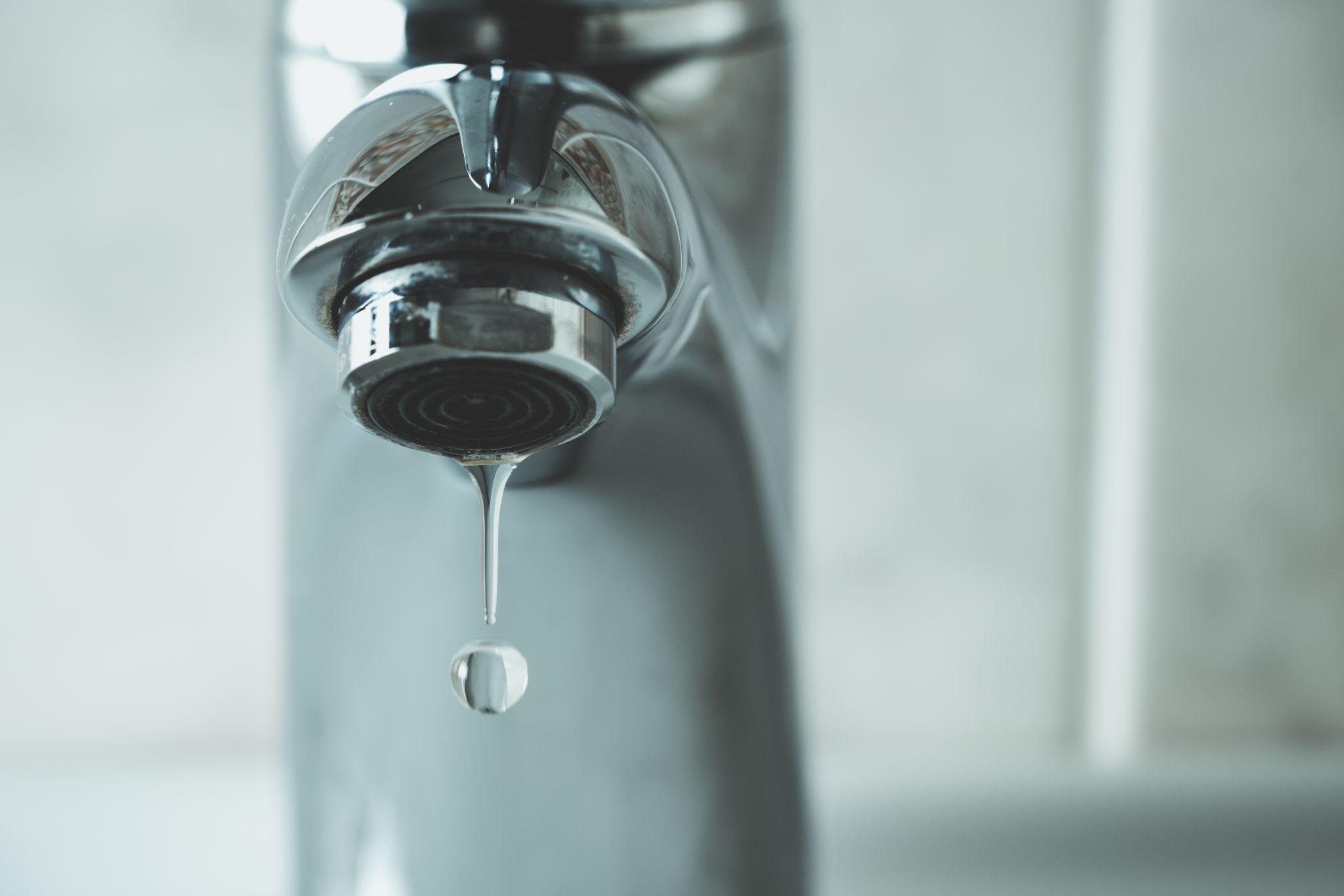
Even a small faucet leak can waste thousands of gallons of water annually. Across dozens of rooms, the losses multiply and drive up utility costs. Persistent leaks also damage cabinetry, flooring, and drywall. Hotel fixtures endure constant use, so they typically fail faster than residential ones.
3: Low Water Pressure
Poor shower pressure is one of the most common commercial plumbing complaints in hotels. It’s often caused by mineral buildup, corroded pipes, or faulty regulators. In multi-story buildings, low pressure complicates water balancing and can lead to inconsistent temperatures in guest rooms.
4: Water Heater and Temperature Problems
Hotels depend on large-capacity water heaters or boilers to supply showers, laundry, and kitchens. Sediment buildup, undersized systems, and faulty thermostats can cause temperature swings or total failures, leading to service interruptions and dissatisfied guests.
5: Pipe Corrosion and Aging Infrastructure
Many California hotels occupy buildings constructed decades ago. Aging galvanized steel and copper pipes corrode, weakening joints and thinning walls. The result is leaks, discolored water, and reduced flow. Burst pipes can cause extensive property damage and room closures.
6: Sewer Line Backups
Tree roots, grease deposits, or collapsed lines can trigger severe backups, disrupting multiple rooms or even entire wings. Even minor sewer odors can damage guest perception and require costly emergency cleanup.
7: Compliance With California Plumbing Codes
The California Plumbing Code mandates water-saving toilets, faucets, and showers. Hotels must maintain low-flow fixtures that meet state limits and ensure proper hot-water system maintenance and pressure balancing. Local water authorities and county health inspectors can issue citations or fines for non-compliance.
8: Water Conservation Retrofits
Hotels looking to reduce water costs are upgrading with efficient fixtures, rainwater harvesting, smart irrigation, and graywater recycling systems. When poorly installed or maintained, however, these systems can cause pressure inconsistencies and premature wear.
9: Slab Leaks
Leaks under concrete slabs are difficult to detect and can persist for months. Signs include rising water bills, wet carpet, or warm spots on floors. If left unaddressed, slab leaks can erode soil beneath foundations and weaken structural integrity.
10: Backflow Prevention Failures
Hotel kitchens, laundry areas, and irrigation systems connect to potable water lines, which makes backflow prevention devices critical. If these devices fail or go untested, contaminants can enter the drinking water supply, creating serious health and compliance risks.
How a Commercial Plumber Can Help Prevent Plumbing Issues
Keeping a hotel’s plumbing system reliable takes more than patching leaks or clearing drains. Commercial plumbing specialists use planned maintenance, diagnostic technology, and 24/7 response services to prevent small issues from turning into costly disruptions.
Preventive Maintenance
Scheduled inspections and servicing identify wear and inefficiencies early. A certified plumber can design maintenance programs based on a hotel’s layout and usage patterns, minimizing downtime and extending the lifespan of pipes, fixtures, and water heaters.
Drain and Sewer Cleaning
Commercial plumbers use hydro-jetting and auger equipment to clear grease, debris, and buildup from drains and sewer lines. These professional methods protect pipes and prevent the recurring blockages that often affect kitchens, laundry rooms, and guest bathrooms.
Leak Detection
Advanced tools such as acoustic sensors, infrared cameras, and moisture meters locate leaks without tearing into walls or floors. Early detection of slab or hidden pipe leaks prevents water damage and costly repairs, keeping rooms open and operational.
Code Compliance and System Retrofits
A licensed commercial plumber ensures that plumbing systems meet California codes and health standards. This includes ADA-compliant restrooms, energy-efficient water heaters, and approved backflow prevention devices. They can also recommend and install upgrades that improve efficiency and help hotels meet sustainability goals.
Emergency Plumbing Services
Even with proper maintenance, emergencies can happen. A 24/7 plumbing partner can isolate water flow, stop flooding, and make immediate repairs to protect rooms and infrastructure. Quick, professional response keeps guests safe and prevents long-term damage to the property.
The Commercial Plumber Hotels Rely On
For over 35 years, Lynch Plumbing has helped Los Angeles, Ventura County, and San Fernando Valley hotels through burst pipes, sewer backups, slab leaks, and more. As a family-run business, we’ve seen it all and know how high the stakes are when guests are involved.
Having a reliable emergency partner is essential in the hospitality industry. We are your go-to commercial plumber, available 24/7 to safeguard your assets, your reputation, and your guests.