
High water bills, drought restrictions, and outdated fixtures can mean your plumbing is wasting more than just money. Upgrading to water- and energy-efficient plumbing can cut costs and reduce your home’s environmental impact.
Here’s how to spot waste—and what to upgrade for a greener system.
What Is Sustainable Plumbing?
Sustainable plumbing systems are built to save water and energy without compromising performance. That means using low-flow toilets and fixtures, energy-efficient water heaters, and long-lasting, eco-friendly materials like PEX piping. These upgrades help reduce utility bills while conserving vital resources.
For example, swapping out an old toilet for a WaterSense-labeled model can save up to 13,000 gallons of water each year—about as much as a small backyard pool.1 In areas like Los Angeles and Ventura County, where drought conditions and high water costs are common, those savings make a real difference.
How to Know If Your Plumbing Is Sustainable
You don’t need to be a plumber to do a quick check. Ask yourself:
- When was the last time I updated my fixtures? Faucets, showerheads, and toilets installed before 2010 typically use far more water than necessary. Newer EPA WaterSense-labeled models use at least 20% less water than federal standards.2
- Have my utility bills increased without a clear reason? Silent leaks—such as worn toilet flappers or tiny pipe cracks—can waste gallons of water daily. If the leak is on a hot water line, you’re also paying to reheat water you never use.
- Is my water heater outdated? Tank water heaters over 10–12 years old are usually less efficient due to wear and outdated insulation. Today’s tankless models reduce standby energy loss by heating water only when needed.3
If you answered “yes” to any of these, it may be time to consider eco-friendly plumbing upgrades.
Signs Your Plumbing May Be Wasting Water or Energy
Some issues are easy to overlook, while others become noticeable through unusually high utility bills.
- Dripping faucets: A slow, steady drip can waste gallons over time and often signals worn washers or faulty valves.
- Running toilets: A defective flapper or fill valve can cause continuous flow, wasting water every day without you noticing.
- Water stains or mold: Often indicate hidden leaks behind walls or under flooring, especially near pipes or appliances.
- Hot water delays: Waiting more than 30 seconds may indicate that your pipes aren’t properly insulated or that your water heater is too far from the tap.
- Old toilets: Older toilets use as much as 6 gallons per flush, while WaterSense-labeled models use just 1.28 gallons or less.
Key Features of a Sustainable Plumbing System
You don’t need to gut your home to go greener—some upgrades are simple, while others can be added during repairs or renovations. Consider these green plumbing improvements:
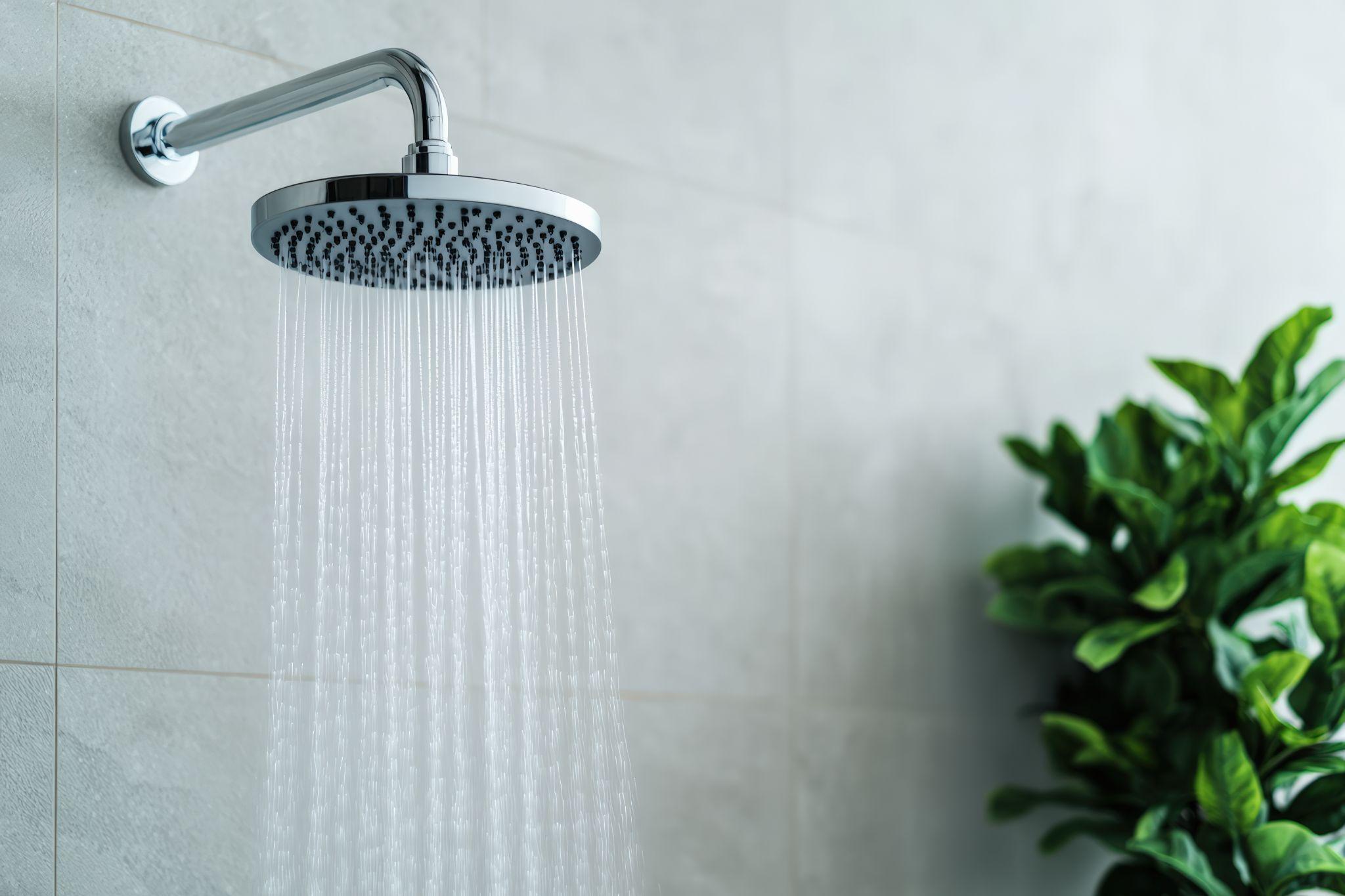
- Low-flow fixtures: Toilets, faucets, and showerheads with the WaterSense label meet EPA standards for efficiency—using at least 20% less water than standard models without sacrificing performance.
- Tankless water heaters: Heat water only when needed, cutting standby energy loss and saving space. Some integrate with solar panels for more savings.
- PEX piping: Flexible, cost-effective, and resistant to hard water corrosion, PEX is ideal for repiping older homes in Southern California.
- Gray water systems: Reuse water from sinks, showers, and laundry for irrigation, reducing yard water use and strain on the main supply.
- Smart leak sensors: Leak sensors placed under sinks or near appliances send phone alerts if they detect water. Whole-home monitoring systems go further—tracking flow, spotting hidden leaks, and identifying unusual usage patterns in real time.
Sustainable Plumbing Tips
These additional plumbing tips for sustainable homes are a smart way to improve performance between upgrades:
- Insulate hot water pipes: In exposed areas like garages or crawl spaces, insulation helps water stay warmer between uses—reducing heat loss and shortening the wait for hot water at the tap.
- Install pressure-compensating aerators: They adjust to water pressure changes, reducing use without affecting flow quality.
- Use delay timers on appliances: Most dishwashers and washers can run during off-peak hours, lowering energy rates and reducing strain on your water heater.
- Flush your water heater yearly: Mineral buildup in hard water areas can shorten its lifespan. An annual flush helps it run efficiently.
FAQs
Is plumbing eco-friendly?
Yes—with smart materials and water-saving technology, plumbing can be environmentally friendly.
What is the sustainability of PVC pipes?
PVC is durable and affordable, but its energy-heavy production and poor recyclability make it less sustainable. PEX or recycled copper is greener.
How does plumbing affect the environment?
It influences water use, energy consumption, and landfill waste. Smarter designs and upgrades can greatly reduce that impact.
Upgrade Your Plumbing With Local Experts Who Care
At Lynch Plumbing, we’re more than just experienced plumbers—we’re your neighbors. As a long-standing, family-run business serving Los Angeles, Ventura County, and the San Fernando Valley, we’re proud to help homeowners create smarter, more sustainable homes.
Whether you’re ready to replace outdated fixtures or simply want to future-proof your system, our plumbing fixture installation service makes it easy. With honest work and strong community values, we’re here to help you save water, save energy, and build a better home—one upgrade at a time.
Sources:
- EPA. Residential Toilets.
- EPA. About WaterSense.
- Department of Energy. Tankless or Demand-Type Water Heaters.