
Maintaining clean, safe water in your home depends on more than your city’s water supply. The plumbing system that delivers water from pipes to your faucets plays a major role in determining the quality of the water you drink, cook with, and bathe in. When plumbing issues go unnoticed or untreated, they can introduce contaminants, change the taste or odor of the water, and even create health risks for your household.
Ahead, we’ll explain what water quality means, how plumbing affects it, the most common plumbing water quality problems, and how to recognize when your water may be compromised.
What Does Water Quality Mean?
Water quality refers to the physical, chemical, and biological characteristics of your water. It determines how safe and pleasant the water is for drinking, cleaning, and everyday use. Good-quality water should be clear, free of harmful bacteria or metals, and neutral in taste and odor.
Factors that influence water quality include:
- pH Balance: Water that is too acidic or too alkaline can corrode pipes or affect taste.
- Mineral Content: Hard water, which contains excess calcium and magnesium, can leave buildup in plumbing fixtures.
- Contaminants: Substances such as lead, copper, bacteria, or rust can enter the water from deteriorating plumbing materials or leaks.
Even if the municipal water supply is clean, problems in a home’s plumbing system can change the water’s composition by the time it reaches your tap.
How a Plumbing System Affects Water Quality
Your home’s plumbing network includes supply lines, fixtures, valves, and drains. Each part of the system can influence the condition of the water from pipes to faucets. Over time, materials age, connections loosen, and corrosion occurs. When that happens, metals or bacteria can leach into the water.
Here are some key ways plumbing impacts water quality and plumbing safety overall:
- Pipe Materials: Older homes may have galvanized steel or lead pipes that can release harmful metals into the water. Even modern copper pipes can introduce trace elements if the pH is too low.
- Corrosion: When pipe interiors corrode, flakes of rust or metal can mix with the water. Corrosion also creates rough surfaces where bacteria can grow.
- Water Pressure: Inconsistent or low water pressure can allow contaminants from soil or sewer lines to backflow into the clean water system.
- Stagnation: Water sitting in unused pipes for long periods can become stagnant, encouraging bacterial growth and unpleasant odors.
A well-maintained plumbing system not only delivers water efficiently but also protects its quality from source to sink.
Common Plumbing Problems That Can Contaminate Water
Certain plumbing issues directly affect the purity of the water flowing through your home. Some are easy to spot, while others remain hidden until the damage is done.
1. Pipe Corrosion
Corrosion happens when metal pipes react with oxygen or chemicals in the water. This can release iron, copper, or lead, causing discoloration and metallic-tasting water. In severe cases, it may result in leaks or bursts that require full pipe replacement.
2. Leaks and Cracks in Pipes
Leaks allow contaminants from surrounding soil or other plumbing lines to enter the water supply. Even small cracks can draw in bacteria, pesticides, or dirt, especially if the leak occurs underground.
3. Cross-Connections and Backflow
Backflow occurs when water reverses direction due to a sudden change in pressure. This can pull wastewater or chemicals from appliances like dishwashers or garden hoses into the clean water system. Homes without proper backflow prevention devices are at higher risk.
4. Faulty Water Heaters
Sediment buildup in water heaters can alter the taste or smell of water. If not flushed regularly, the tank can harbor bacteria or rust, leading to cloudy or discolored water from hot taps.
5. Old or Deteriorating Fixtures
Faucets, valves, and fittings contain small parts that wear down over time. When they corrode or accumulate mineral deposits, they can leach metals or cause bacterial growth inside the fixture.
6. Drain or Sewer Line Issues
Although separate from supply lines, damaged drains or sewer pipes can still affect plumbing water quality problems if wastewater backs up into sinks or tubs. Contamination from sewage poses serious health hazards and requires immediate professional attention.
Signs Your Water Quality May Be Compromised
Changes in water quality are often noticeable before they become dangerous. Here are some common indicators that plumbing issues may be affecting your home’s water:
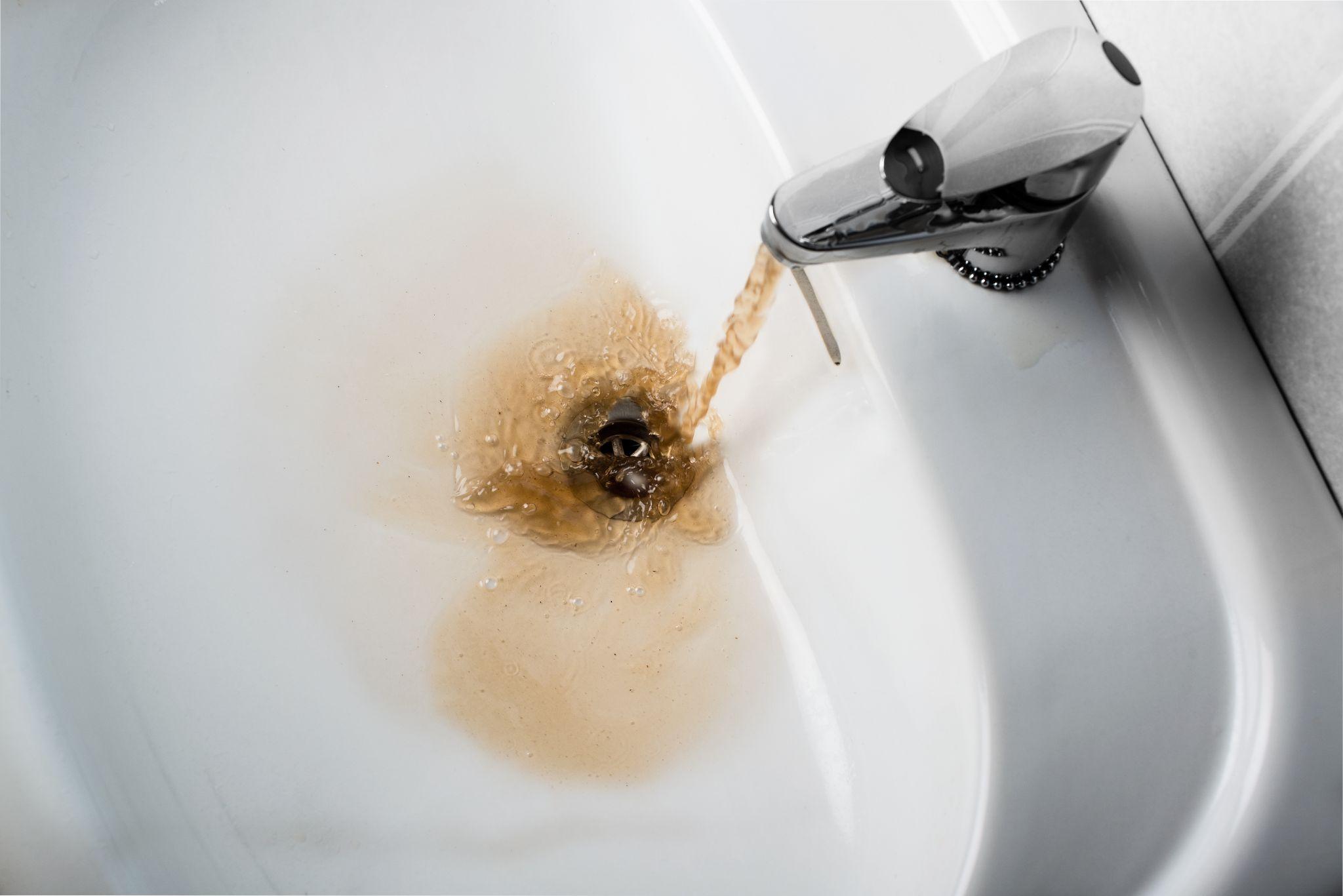
- Discoloration: Brown, yellow, or reddish water suggests rust or sediment from corroded pipes.
- Unpleasant Taste or Odor: A metallic, sulfur-like, or chemical taste often points to pipe corrosion or bacterial growth.
- Cloudy or Foamy Water: Air bubbles or debris indicate contamination or trapped gases in the water lines.
- Residue on Dishes or Fixtures: White or chalky spots may mean high mineral content or hard water buildup.
- Low Water Pressure: Persistent drops in pressure can signal leaks, blockages, or corrosion inside pipes.
- Unexplained Illness: Gastrointestinal symptoms, skin irritation, or fatigue after drinking tap water may result from bacterial or chemical contamination.
If you notice any of these warning signs, it’s best to have your plumbing system inspected by a licensed professional.
Protecting Water Quality Through Plumbing Maintenance
Preventing contamination starts with regular plumbing maintenance and proactive upgrades. Steps homeowners can take include:
- Flushing water heaters annually to remove sediment buildup
- Inspecting and replacing corroded or outdated pipes
- Installing backflow prevention devices
- Cleaning aerators and fixtures regularly
- Testing household water for lead, pH, and bacteria at least once a year
Routine care not only keeps the water safe but also extends the life of your plumbing system, reducing the risk of costly repairs.
Professional Help for Plumbing Water Quality Problems
When it comes to maintaining high water quality and plumbing reliability, expert service makes a difference. Professional plumbers have the tools to identify leaks, corrosion, and cross-connection issues before they harm your water supply. They can also recommend modern piping materials and filtration systems that meet today’s safety standards.
For homeowners in Los Angeles, Ventura County, and the San Fernando Valley, Lynch Plumbing’s residential plumbing services provide trusted solutions for every type of plumbing water quality problem. From leak detection to pipe replacement, our technicians ensure your system delivers clean, healthy water throughout your home.
Keep your plumbing in top condition and protect your household’s water from pipes to faucets with professional care you can rely on.