
In a commercial kitchen, few things cause disruption faster than a clogged drain or sewer backup. Grease traps are designed to stop that from happening by capturing fats, oils, and grease (FOG) before they enter the plumbing system. For California businesses, especially those in food service, proper grease trap maintenance isn’t just smart—it’s required.
Below, we’ll break down what you need to know to stay compliant and clog-free.
What Is a Grease Trap and Why Does It Matter?
A grease trap is a plumbing device that separates and captures FOG from wastewater before it reaches the main sewer system. As hot water from sinks and dishwashers flows into the trap, FOG rises to the top, solids sink to the bottom, and the remaining water is allowed to pass through. Over time, waste builds up and must be manually removed via grease trap cleaning.
Why does this matter for your business? Without a working grease trap, FOG builds up inside pipes, causing slow drainage, foul odors, and eventually full blockages. This can lead to shutdowns, expensive emergency service calls, and damage to the municipal sewer infrastructure.
A non-functioning or overloaded grease trap can also violate local health and safety codes, putting your business at risk of fines and enforcement actions.
Regulations Businesses Must Follow
California state law requires food service establishments to have properly maintained grease traps or interceptors. These are some of the most important requirements:
- Installation of a correctly sized grease trap or interceptor for any business producing FOG
- Regular inspections of equipment and downstream pipes
- Proper disposal of grease waste (never down the drain)
- Detailed records showing when the trap was last cleaned and by whom
Local enforcement agencies may also require reports from licensed haulers or service providers, and in some cities, businesses are required to submit maintenance logs quarterly or annually. Because these details vary widely, business owners should consult their city’s public works or sanitation department to ensure full compliance.
Grease Trap Maintenance Tips
Keeping your grease trap in good working order protects your plumbing, your wallet, and your operating license. Follow these best practices to prevent problems:
- Clean Traps on a Set Schedule: Don’t wait for a backup to tell you it’s time to clean out a grease trap. Depending on usage, traps should be cleaned monthly, quarterly, or when they hit 25% capacity—whichever comes first. High-volume kitchens usually need more frequent service.
- Use a Professional Service: Cleaning a grease trap involves removing heavy, foul-smelling waste. A licensed professional can do the job quickly, dispose of the contents legally, and provide documentation for regulatory purposes.
- Train Staff on Proper Waste Handling: Install sink strainers, scrape food into the trash before dishwashing, and never pour oil down a drain. What goes into your sink ends up in your trap—so the less grease, the better.
- Keep Maintenance Records Readily Available: Some municipalities conduct surprise inspections. Keep logs of every service, including date, service provider, and waste volume removed.
- Monitor for Warning Signs: Slow drains, kitchen odors, and gurgling sounds can all point to a trap that needs cleaning. If you notice any of these issues, act quickly to avoid bigger problems.
FAQs
How often should a grease trap be maintained?
This depends on your kitchen’s size and output. As a rule of thumb, grease traps should be cleaned every 1 to 3 months. High-traffic facilities may need service every few weeks.
What is the 25% rule for grease traps?
The 25% rule is a commonly enforced standard that requires traps to be cleaned when the grease and solids inside reach one-quarter of total capacity. At this point, the trap is no longer efficient, and there’s a higher risk of clogs, code violations, and citations.
How do you keep a commercial grease trap from smelling?
Odors are usually caused by rotting food particles and stale grease. Frequent cleaning is the most effective solution. In between cleanings, use approved enzyme-based treatments to reduce buildup and odor. Keeping the trap properly sealed also helps prevent smells from escaping.
How do you clean a grease trap?
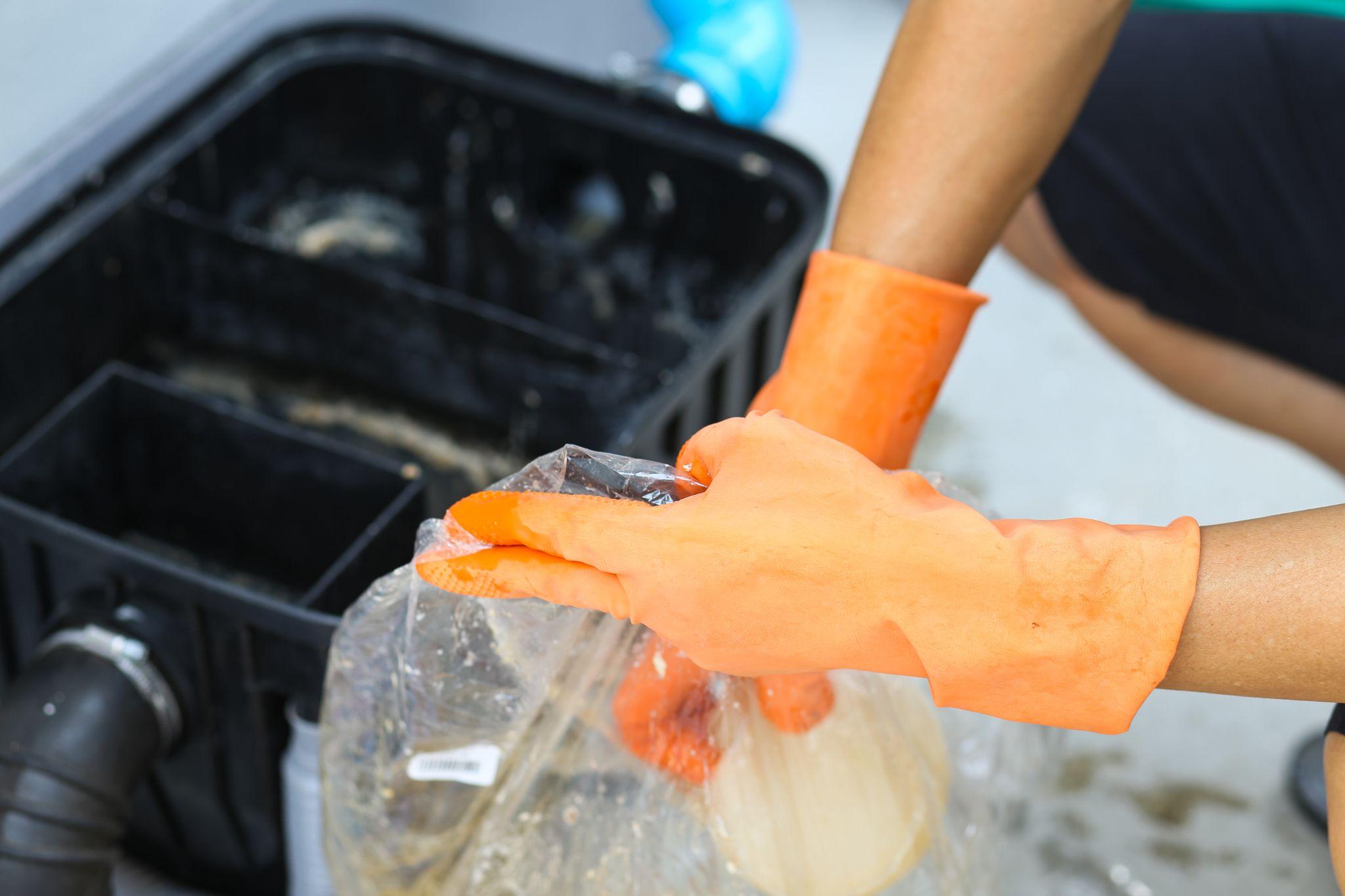
Cleaning involves removing the lid, scooping out FOG and solids, scrubbing the interior, and inspecting all parts for damage or wear. The contents must be disposed of according to local regulations. Most businesses use licensed professionals for cleaning grease traps to ensure safety, speed, and compliance.
Lynch Plumbing Can Manage All Your Grease Trap Maintenance Needs
Lynch Plumbing offers fast, reliable, and professional service for commercial properties of all sizes—from restaurants and retail spaces to office buildings. Our licensed experts handle everything from grease trap cleaning to emergency repairs with minimal disruption to your operations.
Don’t leave your plumbing to chance—partner with a trusted commercial plumber in Los Angeles and Ventura County. Call us at (818) 773-9514 today.