
Keeping your septic system in good working condition is more than a matter of convenience—it’s a legal and environmental responsibility in California. Proper maintenance helps prevent system failures, costly repairs, and groundwater contamination.
Below, we’ll review how California septic systems work, what’s required to stay compliant, and the signs that it may be time to call a professional.
How California Septic Systems Work
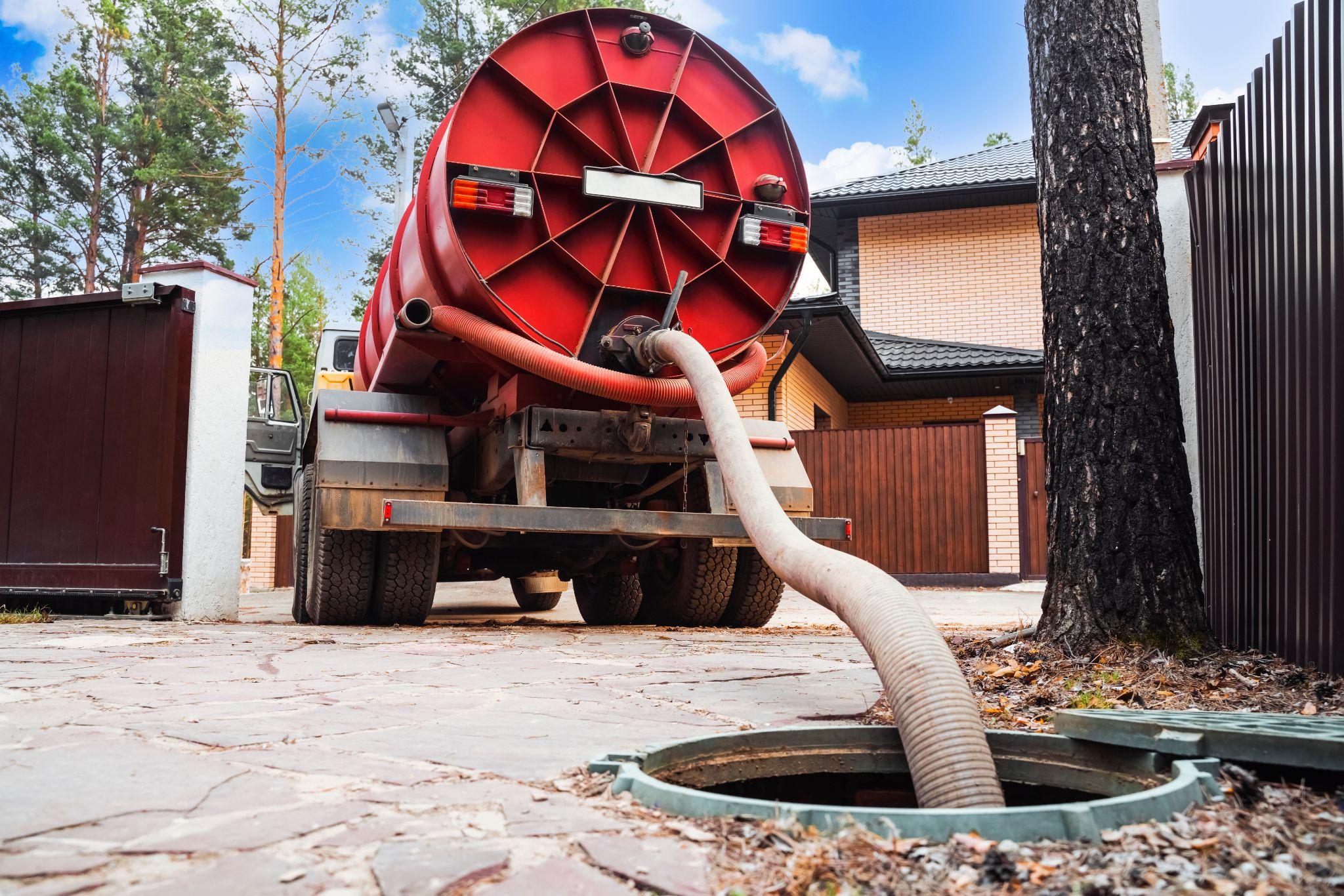
A septic system treats wastewater from sinks, toilets, and drains when a property isn’t connected to a municipal sewer. In California, septic systems usually include a tank, a drain field, and surrounding soil that naturally filters and treats wastewater.- The septic tank separates solids from liquids, allowing bacteria to break down waste.
- The drain field disperses the treated water into the soil for further purification.
Septic System Requirements in California
California septic regulations are designed to protect public health and groundwater supplies. The State Water Resources Control Board oversees these standards through the Onsite Wastewater Treatment Systems (OWTS) Policy, which sets the framework for local counties and regional water boards. Each county can have its own septic system requirements, including how often systems must be inspected or pumped and what documentation property owners must provide. For example, some regions require inspections before a property sale, while others mandate periodic maintenance reports. If you’re installing or replacing a system, make sure your design complies with local septic tank system code requirements. This includes site evaluation, soil testing, and approval of system design before construction begins. Failure to follow these requirements can result in penalties or denial of permits.Routine Maintenance for California Septic Systems
Keeping your septic system in compliance starts with regular upkeep. Even though maintenance schedules vary, these steps apply to most California septic systems:1. Pump every 3–5 years
Solids build up over time. Routine pumping prevents blockages and keeps wastewater flowing properly.2. Inspect annually
A licensed technician should check the tank and drain field for leaks, cracks, or water pooling. Routine inspections ensure your system continues to meet septic system requirements in your county.3. Watch what goes down the drain
Avoid flushing wipes, grease, or harsh chemicals that can disrupt the bacteria balance inside the tank.4. Conserve water
Too much water can overload the tank and saturate the drain field. Fix leaky faucets and spread out laundry loads to help your system perform efficiently.5. Protect the drain field
Keep vehicles, heavy equipment, or deep-rooted plants off the drain field to avoid compaction or pipe damage. By following these practices, you’ll help your system stay within septic tank system code requirements and extend its lifespan.
Signs of Septic System Problems
Recognizing early warning signs can help prevent a small issue from becoming a major repair. Watch for:- Slow drains or gurgling pipes
- Unpleasant odors inside or around the yard
- Pooling water near the drain field
- Sewage backups in sinks or toilets
When to Repair or Replace Your System
Even the best-maintained systems eventually wear out. You may need a full replacement if:- The drain field no longer absorbs water
- The tank leaks or has structural damage
- Repairs cost more than half the price of a new system
Trust Lynch Plumbing to Keep Your System Flowing
A dependable septic system starts with the right care—and no one knows California septic maintenance like Lynch Plumbing. Our licensed plumbers provide full residential plumbing services, including expert inspections, septic repairs, and emergency plumbing services when problems can’t wait. From routine maintenance to full system replacements, we’ll make sure your septic system stays compliant, efficient, and worry-free. Contact Lynch Plumbing today to schedule a service or request an emergency visit—because keeping your home running smoothly starts with reliable plumbing.